
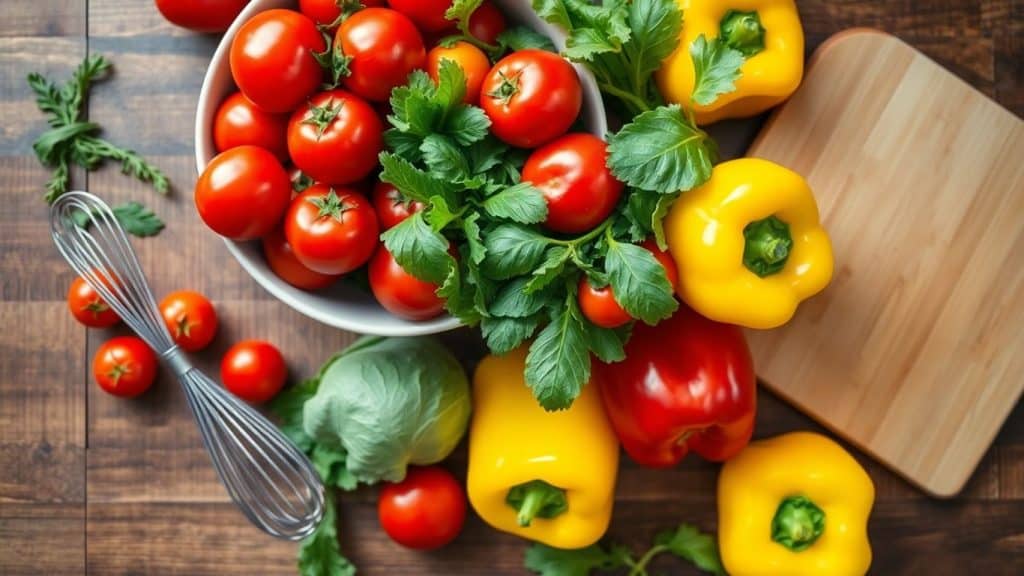
Life gets hectic, right? Between work, family, and, well, everything else, finding time to make healthy meals can feel like a chore. But it doesn't have to be. This guide is all about making delicious, good-for-you food accessible, even when you're short on time or energy. We're talking simple healthy food recipes that actually taste good and won't keep you in the kitchen all day. Let's get cooking!
Key Takeaways
- Cooking at home is a great way to save money compared to eating out or ordering takeout.
- Eating healthy foods helps your body get the vitamins and minerals it needs to work well.
- Making nutritious meals at home can help you manage your weight by controlling portions and ingredients.
- Healthy eating habits can lower your chances of getting serious health problems like diabetes and heart issues.
- Good food gives you more energy, making it easier to get through your day.
Effortless Eats: Simple Healthy Food Recipes for Busy Lives
Life moves fast, and sometimes the idea of cooking a healthy meal feels like just another thing on an endless to-do list. But what if it didn't have to be? We're here to show you that whipping up delicious, good-for-you food can be surprisingly simple, even on your busiest days. It’s all about working smarter, not harder, in the kitchen.
Quick Weeknight Wonders
When the clock is ticking and hunger is striking, the last thing you want is a complicated recipe. The secret to winning weeknights is having a few go-to meals that are both fast and filling. Think about meals that come together in 30 minutes or less. These aren't just about speed; they're about packing in nutrients without sacrificing flavor.
- Sheet pan dinners: Toss some veggies and your favorite protein (like chicken or salmon) with a little olive oil and seasoning, spread it all on a baking sheet, and let the oven do the work. Minimal cleanup, maximum flavor.
- One-pot pastas: Imagine a creamy, dreamy pasta dish where everything cooks in a single pot. Less washing up means more time for you.
- Speedy stir-fries: Load up on colorful vegetables and a lean protein, then toss with a simple sauce. Serve over brown rice or quinoa for a complete meal.
The key is to have a few pantry staples and a willingness to experiment. Don't be afraid to use pre-cut veggies or pre-marinated meats if that saves you precious minutes.
One-Pan Meal Magic
This is where the real kitchen magic happens for busy folks. One-pan meals are a game-changer because they drastically cut down on both cooking time and, more importantly, cleanup. Everything cooks together, meaning fewer dishes to wash and more time to relax.
- Roast chicken and root vegetables: A classic for a reason. Chop up potatoes, carrots, and onions, toss them with chicken pieces, season, and roast. Easy peasy.
- Salmon with asparagus and lemon: Place salmon fillets and asparagus spears on a baking sheet, drizzle with olive oil, season, and top with lemon slices. Bake until the salmon is cooked through.
- Sausage and peppers: Slice up some Italian sausage, bell peppers, and onions. Toss them all on a baking sheet with some herbs and roast until everything is tender and slightly caramelized.
These meals are fantastic because they often require minimal prep and deliver big on taste. You get a balanced meal with protein, carbs, and veggies all cooked together.
Slow Cooker Saviors
Your slow cooker is your best friend when you have a packed schedule. You can prep ingredients in the morning, toss them in, and come home to a fully cooked, delicious meal. It’s the ultimate set-it-and-forget-it solution for healthy eating.
- Pulled chicken or pork: Season chicken breasts or pork shoulder, add a little liquid, and let it cook low and slow. Shred it for tacos, sandwiches, or salads.
- Lentil soup: Combine lentils, broth, vegetables like carrots and celery, and your favorite seasonings. It’s hearty, healthy, and incredibly easy.
- Beef stew: Tender chunks of beef, potatoes, carrots, and a rich broth – all simmering away to perfection. It’s comfort food that’s actually good for you.
These recipes are perfect for those days when you know you won't have time to cook in the evening. Just a little bit of morning effort yields a fantastic dinner.
Fuel Your Day: Energizing Meals Made Easy

Feeling that midday slump? We've all been there. The good news is, you don't need a magic potion to keep your energy levels steady. It's all about smart food choices that actually taste good and don't take forever to make. Eating well can be simple and totally doable, even when life gets hectic.
Think of your meals as the fuel that powers your entire day. When you give your body the right stuff, you'll notice a difference in everything from your focus at work to your mood. It's not about complicated diets; it's about making small, consistent changes that add up.
Here are some ideas to get you started:
- Smoothies: These are seriously a lifesaver on busy mornings. You can pack in fruits, veggies (like spinach – you won't even taste it!), yogurt, and seeds for a nutrient-packed drink that's ready in minutes. Try a berry and spinach combo for antioxidants and fiber.
- Oats: Whether you go for warm oatmeal or overnight oats, this is a fantastic source of sustained energy. Overnight oats are super easy: just mix oats, milk, and chia seeds in a jar, let it sit in the fridge, and top with fruit in the morning.
- Eggs: Don't underestimate the power of eggs! They're a great source of protein that keeps you feeling full and satisfied. Scramble them, boil them, or make a quick omelet with some veggies.
Making conscious choices about what you eat can really change how you feel. It's about giving your body the good stuff it needs to perform at its best, not just getting by.
Remember, it's about progress, not perfection. Start with one meal, one day, and see how much better you feel. You've got this!
Flavorful Feasts: Delicious Dishes with Minimal Fuss
Sometimes, you just want food that tastes amazing without a ton of effort, right? That's where these recipes come in. We're talking about meals that pack a punch in the flavor department but are surprisingly simple to put together. Think of it as getting all the deliciousness with none of the fuss.
Global Flavors at Home
Exploring different cuisines doesn't have to mean a trip to the grocery store for a dozen exotic ingredients. You can bring the world to your kitchen with just a few key spices and techniques. For instance, a simple stir-fry can transport you to Asia with soy sauce, ginger, and garlic. Or, a quick curry with coconut milk and curry powder can give you a taste of India or Thailand. Don't be afraid to experiment!
- Start with a base: Think rice, noodles, or even quinoa.
- Add your protein: Chicken, tofu, beans, or shrimp cook up fast.
- Load up on veggies: Whatever you have on hand works – broccoli, peppers, onions, spinach.
- Sauce it up: A flavorful sauce ties it all together. Soy-ginger, peanut sauce, or a simple vinaigrette can make all the difference.
The beauty of global flavors is their adaptability. You can often swap ingredients based on what's available, making it easy to create something new and exciting every time.
Herb-Infused Delights
Fresh herbs are like little flavor bombs. They can take a simple dish from ‘meh' to ‘wow' in seconds. Growing your own herbs is super easy, even if you only have a small windowsill. But if that's not an option, most grocery stores have a good selection. Using herbs like cilantro, parsley, basil, or mint can really brighten up your meals.
- Add to sauces and dressings: Finely chop herbs and mix them in.
- Garnish generously: Sprinkle fresh herbs over finished dishes for a pop of color and flavor.
- Infuse oils: Gently warm herbs in olive oil to create a flavorful oil for drizzling.
Spice Up Your Plate
Spices are your best friend when it comes to adding depth and excitement to your food without adding a lot of extra calories or complicated steps. A pinch of cumin can add warmth to beans, paprika can give a smoky flavor to chicken, and a dash of chili flakes can add just the right amount of heat. Don't be shy with your spice rack; it's there to be used!
- Toast whole spices: Briefly toasting whole spices like cumin seeds or coriander seeds before grinding them really brings out their flavor.
- Layer your spices: Add spices at different stages of cooking. Some bloom in oil at the beginning, while others are best added towards the end.
- Experiment with blends: Many cultures have fantastic spice blends, like garam masala or za'atar, that can instantly add a complex flavor profile to your dishes.
Wholesome Ingredients: Celebrating Nature's Best

When we talk about simple healthy food, it really starts with what we put into our bodies. It’s all about embracing the good stuff that nature gives us. Think about filling your plate with a rainbow of colors – those vibrant hues usually mean a good mix of vitamins and minerals. Making healthy eating a habit doesn't have to be complicated; it's about making smart choices with the ingredients you use every day.
Vibrant Vegetable Creations
Vegetables are the superstars of healthy eating, and there are so many fun ways to enjoy them. Don't just stick to the same old steamed broccoli! Try roasting them to bring out their natural sweetness, or blend them into sauces and soups to sneak in extra goodness. Grating veggies like carrots or zucchini into meatballs or baked goods is a fantastic trick, especially if you have picky eaters. It's amazing how they can just disappear into the mix!
- Roast them: Toss with a little olive oil, salt, and pepper, then roast at a high temperature until tender and slightly browned. Carrots, Brussels sprouts, and sweet potatoes are great for this.
- Blend them: Pureed pumpkin or sweet potato can add moisture and nutrients to muffins and pancakes. Spinach or zucchini can be blended into pasta sauces or smoothies without changing the flavor much.
- Grate them: Finely grated carrots, zucchini, or bell peppers can be added to meatloaf, burgers, or even pancake batter.
Making vegetables appealing is key. Think about presentation – cutting them into fun shapes or arranging them like a colorful mosaic can make a big difference.
Lean Protein Powerhouses
Protein is super important for keeping us full and building strong bodies. Instead of always reaching for red meat, explore the world of lean proteins. Chicken breast, turkey, fish, beans, and lentils are all excellent choices. They provide the building blocks our bodies need without a lot of the saturated fat. Plus, they're really versatile and can be used in tons of different dishes, from quick stir-fries to hearty stews.
- Fish: Salmon, cod, or tilapia are great options. Try baking or pan-searing them for a quick meal.
- Poultry: Boneless, skinless chicken or turkey breast can be grilled, baked, or stir-fried.
- Legumes: Beans (black beans, kidney beans, chickpeas) and lentils are budget-friendly and packed with protein and fiber.
Hearty Whole Grains
Whole grains are the unsung heroes of a healthy diet. They give us sustained energy and are full of fiber, which is great for digestion. Swapping out refined grains like white bread or white pasta for their whole-grain counterparts is one of the easiest healthy changes you can make. Think whole wheat pasta, brown rice, quinoa, or oats. They add a nice texture and nutty flavor to meals, and they keep you feeling satisfied for longer.
Kitchen Confidence: Mastering Simple Healthy Food Recipes
Feeling a little unsure in the kitchen? That's totally normal! Learning to cook healthy, delicious meals doesn't have to be complicated. Think of your kitchen as your personal laboratory where you can experiment and discover what works for you. Building confidence in the kitchen is all about starting small and celebrating your successes. It's not about being a gourmet chef overnight; it's about making progress, one tasty dish at a time.
Building Your Cooking Skills
Getting comfortable with cooking is a journey, and it starts with understanding some basic techniques. Don't be afraid to try new things! Here are a few ideas to get you started:
- Master a few core cooking methods: Think roasting, sautéing, and steaming. These are versatile and can be used for a wide variety of ingredients.
- Learn to season properly: Salt, pepper, and a few key herbs can make a huge difference. Taste as you go – it's the best way to learn what flavors you like.
- Read recipes all the way through before you start: This helps you understand the flow and make sure you have everything you need.
The kitchen is a fantastic place to learn. Every time you cook, you're building on your knowledge. Even if something doesn't turn out perfectly, you've still learned something valuable for next time.
Smart Ingredient Swaps
Sometimes, a simple change in ingredients can make a big difference in the healthiness of a dish without sacrificing flavor. It's all about making smart choices that work for your taste buds and your body.
- Swap refined grains for whole grains: Think brown rice instead of white rice, or whole wheat pasta instead of regular pasta. This adds fiber and nutrients.
- Incorporate more vegetables: Add extra veggies to stir-fries, pasta sauces, or even smoothies. Grating zucchini into muffins or adding spinach to scrambled eggs are easy ways to boost your intake.
- Choose leaner proteins: Opt for chicken breast, fish, beans, or lentils over fattier cuts of meat.
Flavorful Food Pairings
Understanding how flavors work together can really elevate your cooking. It's about creating balanced and exciting taste experiences. Don't be afraid to get a little creative!
- Sweet and Salty: Think about how a drizzle of honey or maple syrup can balance out salty ingredients, like in roasted vegetables or a glaze for chicken.
- Acid and Fat: A squeeze of lemon or a splash of vinegar can cut through richness and brighten up flavors. This is why a vinaigrette with oil (fat) and vinegar (acid) is so classic.
- Herbs and Spices: Fresh herbs can add brightness, while spices can add warmth and depth. Experiment with different combinations to see what you enjoy most!
Budget-Friendly Bites: Healthy Eating Without Breaking the Bank
Eating healthy doesn't have to cost a fortune. With a little planning and some smart choices, you can whip up delicious and nutritious meals that are kind to your wallet. It's all about making your food dollars work harder for you.
Savvy Shopping Strategies
Shopping smart is the first step to budget-friendly healthy eating. Think about it: the less you spend at the grocery store, the more you have for other things, or maybe just more delicious food!
- Plan your meals: Before you even step foot in the store, have a rough idea of what you'll be cooking for the week. This helps prevent impulse buys and ensures you're only getting what you need.
- Make a list and stick to it: This goes hand-in-hand with meal planning. A list keeps you focused and prevents you from grabbing those tempting, but often unnecessary, items.
- Buy in bulk when it makes sense: Staples like rice, beans, oats, and pasta are often cheaper when bought in larger quantities. Just make sure you have a good place to store them.
- Compare unit prices: Don't just look at the sticker price. Check the price per ounce or pound to see which size or brand is truly the best deal.
- Embrace store brands: Often, store-brand products are just as good as name brands but cost significantly less.
Remember, the goal isn't to be cheap, but to be smart with your resources. You can eat incredibly well without spending a fortune.
Seasonal Produce Stars
Produce is at its peak when it's in season. Not only does it taste better, but it's also usually much cheaper. Farmers' markets are fantastic places to find seasonal deals, and they're a great way to support local growers.
- Root vegetables: Think carrots, potatoes, sweet potatoes, and onions. These are often available year-round but are particularly hearty and affordable in the fall and winter.
- Leafy greens: Spinach, kale, and collard greens are usually budget-friendly and packed with nutrients. They can be used in salads, soups, or sautéed as a side dish.
- Berries and stone fruits: While these can be pricier out of season, buying them when they're abundant in the summer can save you a lot. Consider freezing some for later use!
- Apples and pears: These fruits are often quite affordable, especially in the fall, and make for great snacks or additions to oatmeal and salads.
Deliciously Affordable Meals
Once you've got your budget-friendly ingredients, it's time to get cooking! Here are a few ideas that are easy on the wallet and big on flavor:
- Lentil Soup: Lentils are incredibly cheap, filling, and nutritious. A big pot of lentil soup can feed you for days and is easily customizable with whatever vegetables you have on hand.
- Bean Burrito Bowls: Canned beans (black beans, pinto beans) are super affordable protein sources. Serve them over rice with salsa, corn, and a sprinkle of cheese for a satisfying meal.
- Oatmeal: Forget the sugary instant packets. Rolled oats are very inexpensive and make a fantastic breakfast base. Top with a banana, a sprinkle of cinnamon, or a dollop of peanut butter for a filling start to your day.
- Pasta with Veggies: Pasta itself is usually quite cheap. Load it up with whatever vegetables are on sale – broccoli, bell peppers, zucchini – and a simple tomato sauce. You can add canned tuna or chickpeas for extra protein without much cost.
Keep Cooking, Keep Enjoying!
So there you have it! We've shown that making healthy food doesn't have to be a big deal. It's all about simple steps and finding what works for you. Remember, cooking at home can save you money and is a great way to feel good about what you're eating. Don't be afraid to try new things in the kitchen. You might just surprise yourself with how tasty and easy healthy meals can be. Keep experimenting, keep enjoying your food, and keep feeling great!
Frequently Asked Questions
What are some quick and easy healthy meals for busy weeknights?
For busy nights, think one-pan meals! Things like roasted chicken and veggies on a single baking sheet or a simple stir-fry with your favorite protein and lots of colorful vegetables are great. Slow cooker meals are also lifesavers – just toss everything in the morning and have a delicious dinner ready when you get home.
How can I make healthy eating more affordable?
Buying foods that are in season is usually cheaper. Also, cooking at home instead of eating out saves a lot of money. Beans, lentils, and whole grains like rice and oats are very budget-friendly and super healthy too. Planning your meals before you shop can also help you avoid impulse buys.
I'm not a great cook. What are some tips for building my cooking skills?
Start with simple recipes that have few ingredients and clear steps. Following recipes exactly at first is a good way to learn. Don't be afraid to try new things! Even small successes in the kitchen can boost your confidence. Watching cooking videos online can also be really helpful.
Are there ways to make picky eaters enjoy healthier foods?
Absolutely! Try hiding veggies by blending them into sauces or smoothies. You can also get kids involved in cooking; they're often more willing to try food they helped make. Offering colorful fruits and vegetables with a fun dip, like hummus, can also make them more appealing.
What are the benefits of cooking at home versus eating out?
When you cook at home, you have total control over the ingredients, meaning you can avoid unhealthy fats, added sugars, and too much salt. It's also usually much cheaper than dining out or ordering takeout. Plus, it's a great way to make sure you're getting all the nutrients your body needs.
How can I make sure I'm getting enough energy from my meals?
Focus on balanced meals that include a good mix of protein, healthy fats, and complex carbohydrates. Foods like whole grains, lean meats, fish, eggs, fruits, and vegetables provide sustained energy. Avoid processed snacks that can cause energy crashes.