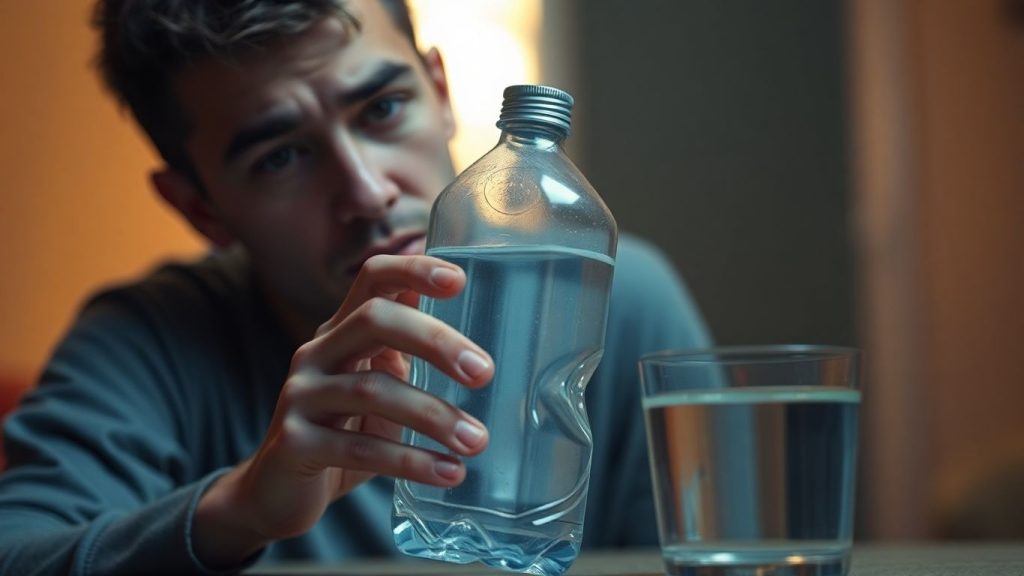
Ever feel like you're constantly thirsty, even after downing a bottle of water? You're not alone. Many people struggle with staying hydrated, and it's easy to get stuck wondering, “why do I stay dehydrated?” It's not always as simple as just drinking more. There are lots of little things that can throw your body off balance. Let's break down some of the common reasons you might be feeling parched.
Key Takeaways
- Your body's thirst signals aren't always reliable, so don't wait until you're parched to drink.
- What you eat plays a big role in how hydrated you are, not just what you drink.
- Making hydration a habit, like drinking water at set times, makes it much easier to stay on track.
- Your body's cells need more than just plain water; they need the right balance of minerals to absorb it.
- Things like stress, how much you move, and even your daily routines can affect your hydration levels.
Are You Drinking Enough Water?
It sounds so simple, right? Just drink more water. But if it were that easy, you probably wouldn't be here. We've all heard the advice, maybe even tried to follow it, but sometimes, despite our best efforts, we still feel parched. Let's get real about what ‘enough' water actually means for your body.
The Truth About Thirst Cues
Thirst is your body's way of telling you something's up, but it's not always the first or most reliable signal. By the time you actually feel thirsty, you might already be a little behind on your hydration goals. Think of it like your phone battery – you don't wait until it's at 1% to find a charger, right? Your body works similarly. Paying attention to other subtle signs is key.
- Dry mouth or sticky feeling in your mouth
- Feeling tired or sluggish
- Headaches that pop up out of nowhere
- Darker urine than usual
Beyond the Eight-Glasses Rule
The old ‘eight glasses a day' rule is a good starting point, but it's not a one-size-fits-all solution. Your individual needs can change based on a bunch of things. Factors like how active you are, the climate you live in, and even what you eat can all play a role in how much fluid your body actually needs. So, while it's a helpful guideline, don't get too hung up on hitting an exact number if you're feeling good and your body is telling you it's happy.
It's not just about chugging water; it's about giving your body what it truly needs to function at its best. Sometimes, that means more than just plain H2O. Staying hydrated is crucial for your overall health.
Why Clear Pee Isn't Always the Goal
We often hear that clear urine is the ultimate sign of being perfectly hydrated. While it's true that very dark urine can indicate dehydration, constantly aiming for crystal-clear pee might not be the best approach either. If your urine is consistently pale or completely clear, it could mean you're actually drinking too much water, which can dilute important electrolytes your body needs. The sweet spot is usually a pale yellow color – a sign that your hydration levels are just right.
Fueling Your Body Wisely
What you eat plays a surprisingly big role in how hydrated you feel. It's not just about chugging water; it's about what you're putting into your body overall. Think of your diet as another way to help keep your internal systems running smoothly.
The Impact of Diet on Hydration
Sometimes, even if you're drinking water, your body might not be holding onto it as well as it could. Certain foods can actually help your body retain fluids, while others might make you feel more parched. It's a bit of a balancing act, and understanding this connection can make a real difference in how you feel day-to-day. Paying attention to your food choices is just as important as remembering to take a sip.
Embracing Fruits and Vegetables
These colorful powerhouses are packed with water and nutrients. They're like little hydration helpers that also bring a ton of other good stuff to the table. Incorporating more of them into your meals is a simple way to boost your fluid intake without even thinking about it.
- Watermelon: It's in the name! This juicy fruit is over 90% water.
- Cucumbers: Another super hydrating option, great in salads or infused water.
- Strawberries: These berries are not only delicious but also contain a good amount of water.
- Spinach: This leafy green is surprisingly hydrating and full of vitamins.
Eating a diet rich in fruits and vegetables can significantly contribute to your overall hydration levels, providing a natural and tasty way to keep your body replenished. It's a win-win for both your taste buds and your well-being.
Navigating Sugar Cravings
Those intense sugar cravings can sometimes lead us down a path of less-than-ideal food choices. When you reach for sugary snacks, you might be missing out on hydration and getting a temporary energy boost followed by a crash. Learning to manage these cravings can help you make better choices that support your hydration goals. It's all about finding satisfying alternatives that keep you feeling good without the sugar rollercoaster. You can find some great ideas for electrolyte drinks that can help manage cravings and replenish your body, especially after activity.
The Power of Routine and Habits

Sometimes, staying hydrated feels like a chore, right? You know you should drink more water, but it just doesn't happen. That's where building a solid routine comes in. It's not about being perfect, but about making hydration a natural part of your day, like brushing your teeth or checking your phone (though maybe a bit more beneficial!). When you create habits around drinking water, it stops feeling like a task and starts feeling like a normal, easy thing to do. This can make a big difference in how you feel, especially if you're struggling with that constant dehydrated feeling.
Establishing Consistent Meal Times
Think about your meals. Do they happen at roughly the same time each day? If not, your body might be sending mixed signals. When you eat at irregular intervals, it can mess with your hunger cues and even how your body processes fluids. Sticking to a meal schedule helps your body know when to expect fuel, and this predictability can extend to your hydration needs too. It's like setting up a gentle rhythm for your body.
- Morning: Start your day with a glass of water, even before coffee.
- Lunch: Have another glass with your midday meal.
- Evening: Sip some water before dinner or as a wind-down.
A consistent eating pattern helps regulate your body's internal clock, making it easier to integrate other healthy habits, like drinking enough water, without having to constantly think about it.
Making Hydration Effortless
Okay, so how do we make drinking water less of a hassle? It's all about setting yourself up for success. This means having water readily available and making it appealing. If you have to go out of your way to get a drink, you're less likely to do it. But if it's right there, it's a no-brainer.
Here are a few ideas:
- Keep a water bottle handy: Whether it's at your desk, in your bag, or by your bedside, having water within reach is key.
- Set reminders: Use your phone or a smart watch to ping you every hour or so. It's a gentle nudge, not an annoying alarm.
- Infuse your water: If plain water is boring, add some fruit like lemon, cucumber, or berries. It adds flavor without sugar.
- Use a special cup or bottle: Sometimes, having a fun water bottle can make you want to use it more.
The Role of Routine in Well-being
Building routines isn't just about getting things done; it's about creating a sense of calm and control in your life. When you have a predictable structure, especially around things like eating and drinking, your body can relax. This reduces stress, which, as we'll see later, can also impact hydration. A well-established routine is like a gentle guide, helping you stay on track with your health goals without feeling overwhelmed. It's about making the healthy choice the easy choice, day in and day out.
Understanding Your Body's Needs
Sometimes, just chugging water doesn't quite cut it, right? Our bodies are pretty amazing, and they have their own intricate ways of managing hydration. It's not just about the sheer volume of water we drink; it's about how our cells actually use it. Think of it like this: you can fill a bucket with water, but if the bucket has holes, the water just leaks out. Our cells are similar, and they need the right conditions to hold onto that precious H2O.
Cellular Hydration Secrets
So, what's the deal with cellular hydration? It's all about making sure water can get into your cells and stay there, doing its job. This process is super important for everything from energy production to waste removal. When cells aren't properly hydrated, things start to slow down, and that's when you might feel that persistent dehydration, even if you're drinking fluids.
The Sodium-Potassium Pump Explained
This is where things get really interesting. Ever heard of the sodium-potassium pump? It sounds complicated, but it's basically a tiny, hardworking mechanism in your cell membranes. This pump is like a gatekeeper, constantly moving sodium ions out of the cell and potassium ions into it. This exchange is fueled by energy and is absolutely vital for maintaining the right balance of fluids inside and outside your cells. Without this pump working smoothly, water can't be properly absorbed or retained, leading to that feeling of being dehydrated. It's a delicate balance that needs specific minerals to function correctly.
When Water Isn't Enough
Sometimes, plain water just doesn't have what it takes to get the job done on its own. Our bodies lose electrolytes – like sodium and potassium – through sweat and other bodily functions. These electrolytes are like the tiny helpers that make sure water gets where it needs to go within your cells. If you're losing a lot of them, or not getting enough from your diet, even drinking plenty of water might not be enough to rehydrate you properly. It's like trying to build a house without enough bricks; you have the raw materials, but not the essential components to put it all together. For optimal hydration, you might need more than just plain water; consider foods rich in electrolytes or specialized hydration drinks when you're really pushing it or feeling depleted.
Your Lifestyle's Hydration Connection

It's easy to think hydration is just about chugging water, but our daily lives play a bigger role than we might realize. From how we feel mentally to how much we move, it all ties back to keeping our bodies happy and hydrated.
The Influence of Stress on Hydration
When you're stressed, your body goes into a sort of ‘fight or flight' mode. This can actually mess with your hydration levels in a few ways. For starters, stress can make you feel more thirsty, but it can also make you crave salty or sugary snacks, which aren't exactly hydration heroes. Plus, if you're feeling overwhelmed, you might just forget to drink water altogether.
When we're stressed, our bodies can lose electrolytes more quickly. This means just drinking plain water might not be enough to rebalance things. It's like trying to fill a leaky bucket without plugging the holes first.
- Feeling overwhelmed? Take a few deep breaths. It sounds simple, but it can help calm your nervous system.
- Notice cravings? Try reaching for water or a hydrating snack first before giving in to that salty chip bag.
- Schedule it in: If you know you're going into a stressful period, set reminders to drink water.
Movement and Its Hydration Link
Getting your body moving is fantastic for your health, and it's also a big part of staying hydrated. When you exercise, you sweat, and that means you're losing fluids. It's super important to replace those fluids before, during, and after any physical activity. Even a brisk walk counts!
- Before you start: Drink a glass of water.
- During your workout: Sip water regularly, especially if it's a longer session or the weather is warm.
- After you finish: Replenish what you've lost with more water. Adding electrolytes can be a good idea after intense or prolonged exercise.
The Comforts of Home Cooking
What you eat directly impacts how hydrated you are. Cooking at home gives you so much more control over what goes into your body. You can easily incorporate water-rich foods like fruits and vegetables into your meals. Plus, when you're making your own food, you're often avoiding the hidden sodium and sugars found in many processed or restaurant meals, which can actually make you feel more dehydrated.
- Load up on veggies: Think cucumbers, celery, and leafy greens – they're packed with water.
- Fruit for the win: Watermelon, berries, and oranges are delicious and hydrating.
- Watch the salt: Too much sodium can make your body hold onto water, but it can also make you feel thirsty and dehydrated if you're not getting enough fluids.
Signs Your Body Needs More Water
Sometimes, our bodies send out signals that we might miss if we're not paying close attention. It's not always about feeling super thirsty. Your body is pretty smart and tries to tell you what it needs, and often, that's more water. Ignoring these signs can leave you feeling less than your best, but the good news is, recognizing them is the first step to feeling better.
Beyond Dry Mouth: Subtle Clues
That parched feeling in your mouth is a classic sign, sure, but it's often one of the last ones to show up. Before your mouth feels like the Sahara, your body might be giving you other hints. Think about feeling a bit more tired than usual, even if you slept okay. Or maybe you're getting headaches more often, or feeling a little dizzy. Even your skin can tell a story – if it feels less elastic or looks a bit dull, it could be a sign you need to up your fluid intake. It's like your body's gentle nudge to grab a glass of water.
The Link Between Energy and Hydration
Ever hit that afternoon slump where you just want to nap? While diet plays a big role, dehydration can be a sneaky culprit. When you're not properly hydrated, your blood volume can decrease, making your heart work harder to pump blood. This can lead to fatigue and a general lack of get-up-and-go. Staying hydrated is like giving your body the fuel it needs to keep its energy engine running smoothly. It helps with everything from brain function to muscle performance, so if you're feeling drained, a tall glass of water might be just what you need to perk up.
Skin's Story of Hydration
Your skin is your body's largest organ, and it definitely shows when it's not getting enough to drink. Beyond just feeling dry, dehydrated skin might lose some of its bounce. If you gently pinch the skin on the back of your hand and it doesn't spring back quickly, that could be a sign. It might also look less plump and more prone to showing fine lines. Think of your skin cells like tiny balloons; they need water to stay full and healthy. When they're deflated, everything looks a bit saggy and tired. Keeping up with your water intake can help your skin look and feel more radiant and supple.
So, What's the Takeaway?
Alright, so we've chatted about why you might be feeling like a dried-out sponge even when you think you're drinking enough. It turns out, it's not always just about chugging water – sometimes it's about what kind of water, or even what else is going on with your body and habits. Remember those little things we talked about, like maybe not getting enough sleep, or that sneaky salty snack you love? They all play a part. The good news is, figuring this out is the first step to feeling way better. Start small, pay attention to your body, and don't be afraid to tweak things. You've got this, and a more hydrated, energized you is totally within reach!
Frequently Asked Questions
Why do I feel thirsty even when I drink water?
Feeling thirsty even after drinking water can happen for a few reasons. Sometimes, the water you drink passes through your body quickly without really getting absorbed by your cells. Also, things like salty foods, caffeine, or even stress can make you feel thirstier. It's not always just about the amount of water, but how well your body uses it.
Is it true that I need to drink a specific amount of water every day, like 8 glasses?
That ‘8 glasses a day' rule is more of a general guideline. Everyone's body is different! Factors like how active you are, the weather, and even your health can change how much water you actually need. It's more important to listen to your body's signals, like thirst, and to notice if your pee is a pale yellow color.
Can my diet affect how hydrated I am?
Absolutely! What you eat plays a big role in how hydrated you stay. Foods with lots of water, like fruits and vegetables, can help a lot. On the flip side, eating too many salty or sugary snacks can actually make you feel more dehydrated because your body needs more water to process them.
What does ‘cellular hydration' mean, and why is it important?
Cellular hydration is all about making sure your body's tiny cells get the water they need to work properly. Think of it like giving each individual cell a drink. When cells are well-hydrated, your body can do things like carry nutrients, get rid of waste, and keep you feeling energized. It's more than just drinking water; it's about your body actually using that water effectively.
How can stress make me feel dehydrated?
Stress can mess with your body in surprising ways, and dehydration is one of them. When you're stressed, your body can lose fluids more easily, and you might also feel less like drinking water. Plus, stress can sometimes make you crave sugary or salty snacks, which as we know, can make dehydration worse.
Besides feeling thirsty, what are other signs that I might be dehydrated?
Dehydration can show up in many ways! You might feel more tired than usual, get headaches, have dry skin, or even feel a bit dizzy. Sometimes, your pee might be a darker yellow color. These are all signals that your body needs more fluids, so it's good to pay attention to them.