

Unlocking a Healthier Heart: The Profound Benefits of Quitting Smoking
Imagine a life where each breath comes easier, where the threat of heart disease recedes, and where you feel genuinely invigorated. This isn’t a fantasy – it’s the reality waiting for you when you quit smoking. The link between smoking and heart disease is undeniable, a dark cloud hanging over the cardiovascular health of millions. But there’s a silver lining: the moment you stub out that last cigarette, your heart begins its journey toward healing. Let’s explore the remarkable benefits quitting smoking unlocks for your heart, offering a pathway to a longer, healthier, and more vibrant life.
The Grim Reality: Smoking's Assault on Your Heart
Before diving into the positive, it’s crucial to understand the damage smoking inflicts. Each puff delivers a cocktail of harmful chemicals that wreak havoc on your cardiovascular system. Nicotine, the addictive substance in cigarettes, raises blood pressure and heart rate, forcing your heart to work harder. Carbon monoxide, another component of cigarette smoke, reduces the amount of oxygen your blood can carry, depriving your heart of this vital nutrient. But the harm doesn't stop there.
Endothelial Dysfunction: Damaging the Arterial Walls
Perhaps one of the most insidious effects of smoking is its impact on the endothelium – the delicate inner lining of your blood vessels. Smoking damages this lining, leading to endothelial dysfunction. This dysfunction contributes to the buildup of plaque in the arteries, a process known as atherosclerosis. As plaque accumulates, arteries narrow and harden, restricting blood flow to the heart and other vital organs. This can give rise to a range of cardiovascular problems, from angina (chest pain) to heart attacks and strokes.
Increased Risk of Blood Clots
Smoking also increases the risk of blood clot formation. The chemicals in cigarette smoke make blood platelets stickier and more likely to clump together. These clots can block arteries, cutting off blood supply to the heart or brain, leading to a heart attack or stroke. Understanding these risks is the first step toward appreciating the profound benefits that come with quitting.
The Turning Point: How Quitting Transforms Your Heart Health
Now for the good news: the moment you quit smoking, your body begins to repair itself. The healing process is remarkable, and the benefits for your heart are substantial and rapid.
Immediate Improvements Within Minutes and Hours
The positive changes start almost immediately. Within just 20 minutes of your last cigarette, your heart rate and blood pressure begin to return to normal. Carbon monoxide levels in your blood also start to decline, allowing your blood to carry more oxygen to your heart and other tissues.
Within Weeks: Enhanced Circulation and Lung Function
Over the next few weeks, you’ll notice even more improvements. Your circulation improves, making it easier to breathe and exercise. Your lung function also starts to recover, reducing coughing and shortness of breath. You'll likely find that everyday activities, like climbing stairs or walking, become easier and more enjoyable.
Long-Term Gains: A Dramatically Reduced Risk of Heart Disease
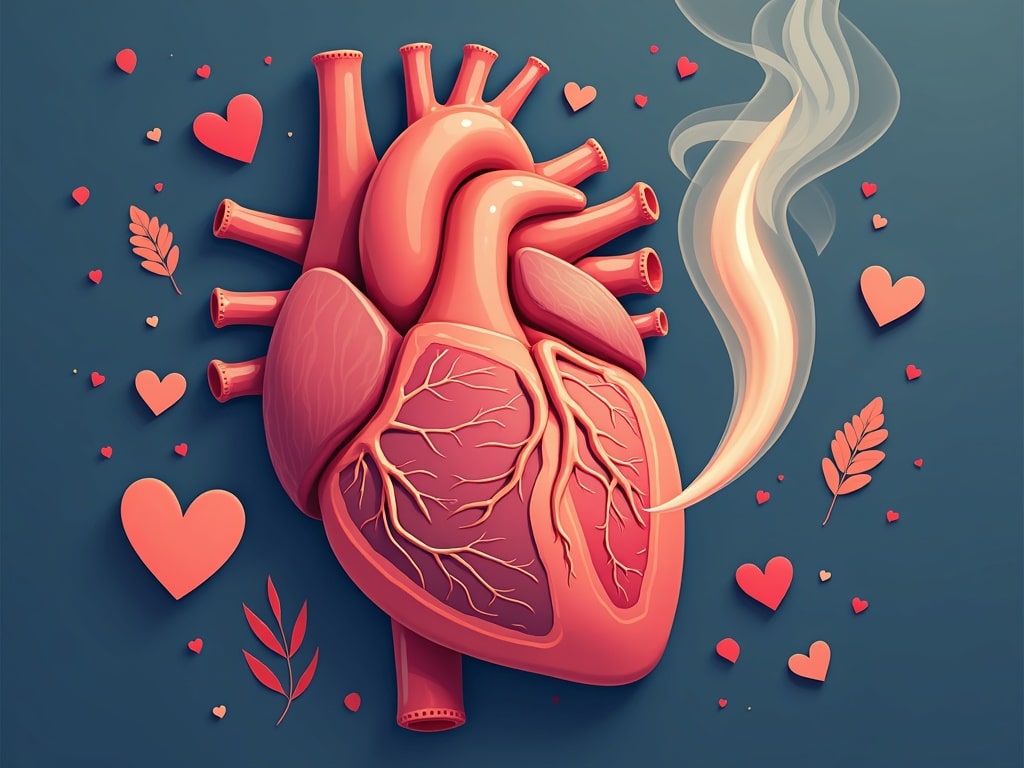
The most significant benefits of quitting smoking for your heart are realized over the long term. After a year of being smoke-free, your risk of coronary heart disease is half that of a smoker's. Over time, this risk continues to decline, eventually reaching that of a non-smoker. The impact is truly life-changing. Let's explore some of the key long-term benefits in more detail:
- Reduced Risk of Heart Attack: Quitting smoking significantly lowers your risk of experiencing a heart attack. As your arteries clear and your blood pressure normalizes, the strain on your heart decreases, reducing the likelihood of a life-threatening event.
- Lower Risk of Stroke: Smoking is a major risk factor for stroke. By quitting, you reduce the risk of blood clot formation and damage to your blood vessels, thereby lowering your risk of stroke.
- Improved Cholesterol Levels: Smoking can negatively impact cholesterol levels, increasing LDL (“bad”) cholesterol and decreasing HDL (“good”) cholesterol. Quitting smoking can help improve these levels, further protecting your heart.
- Better Blood Pressure Control: Nicotine raises blood pressure, putting extra stress on the heart. Quitting smoking allows blood pressure to stabilize, reducing the risk of hypertension and its associated complications.
- Increased Longevity: Perhaps the most compelling benefit of all is the increase in lifespan that comes with quitting smoking. Studies have shown that smokers lose an average of 10 years of life expectancy. Quitting at any age can help you regain some or all of those years.
Beyond the Heart: Additional Health Benefits of Quitting
While the benefits for your heart are paramount, quitting smoking offers a cascade of positive effects throughout your entire body. From improved lung health to a reduced risk of cancer, the advantages extend far beyond your cardiovascular system.
Reduced Risk of Cancer
Smoking is a leading cause of cancer, accounting for nearly one-third of all cancer deaths. Quitting smoking significantly reduces your risk of developing lung cancer, as well as other cancers, including those of the mouth, throat, esophagus, bladder, kidney, and pancreas.
Improved Lung Function
Smoking damages the airways and air sacs in your lungs, leading to chronic bronchitis and emphysema. Quitting smoking allows your lungs to heal and function more efficiently, reducing coughing, wheezing, and shortness of breath.
Enhanced Sense of Taste and Smell
Smoking dulls your senses of taste and smell. Quitting can restore these senses, allowing you to enjoy food and fragrances more fully.
Stronger Immune System
Smoking weakens your immune system, making you more susceptible to infections. Quitting smoking strengthens your immune system, helping you fight off colds, flu, and other illnesses more effectively.
For more information, visit the American Heart Association website: American Heart Association.
Strategies for Success: How to Quit Smoking for Good
Quitting smoking is undoubtedly challenging, but it’s absolutely achievable. Millions of people have successfully kicked the habit, and you can too. Here are some strategies to help you on your journey:
Nicotine Replacement Therapy (NRT)
NRT products, such as nicotine patches, gum, lozenges, inhalers, and nasal sprays, can help reduce cravings and withdrawal symptoms. NRT works by providing a controlled dose of nicotine without the harmful chemicals found in cigarettes.
Medications
Certain prescription medications, such as bupropion (Zyban) and varenicline (Chantix), can help reduce cravings and withdrawal symptoms. These medications work by affecting brain chemicals involved in nicotine addiction.
Counseling and Support Groups
Counseling, either individual or group, can provide you with the support and guidance you need to quit smoking. Counselors can help you develop coping strategies for dealing with cravings and triggers.
Lifestyle Changes
Making certain lifestyle changes can also help you quit smoking. These include:
- Avoiding Triggers: Identify the situations, people, and places that trigger your cravings and avoid them as much as possible.
- Finding Healthy Distractions: When you experience a craving, distract yourself with a healthy activity, such as exercise, reading, or spending time with friends.
- Practicing Relaxation Techniques: Stress can trigger cravings, so practice relaxation techniques, such as deep breathing, meditation, or yoga.
- Staying Hydrated: Drinking plenty of water can help flush nicotine out of your system and reduce cravings.
Your Heart Will Thank You: Embracing a Smoke-Free Future
Quitting smoking is one of the best things you can do for your heart and your overall health. The benefits are undeniable, and the rewards are immeasurable. By taking the first step toward a smoke-free life, you're not only protecting your heart, but also paving the way for a longer, healthier, and more fulfilling future. Embrace the challenge, seek support when you need it, and celebrate your progress along the way. Your heart will thank you for it.