
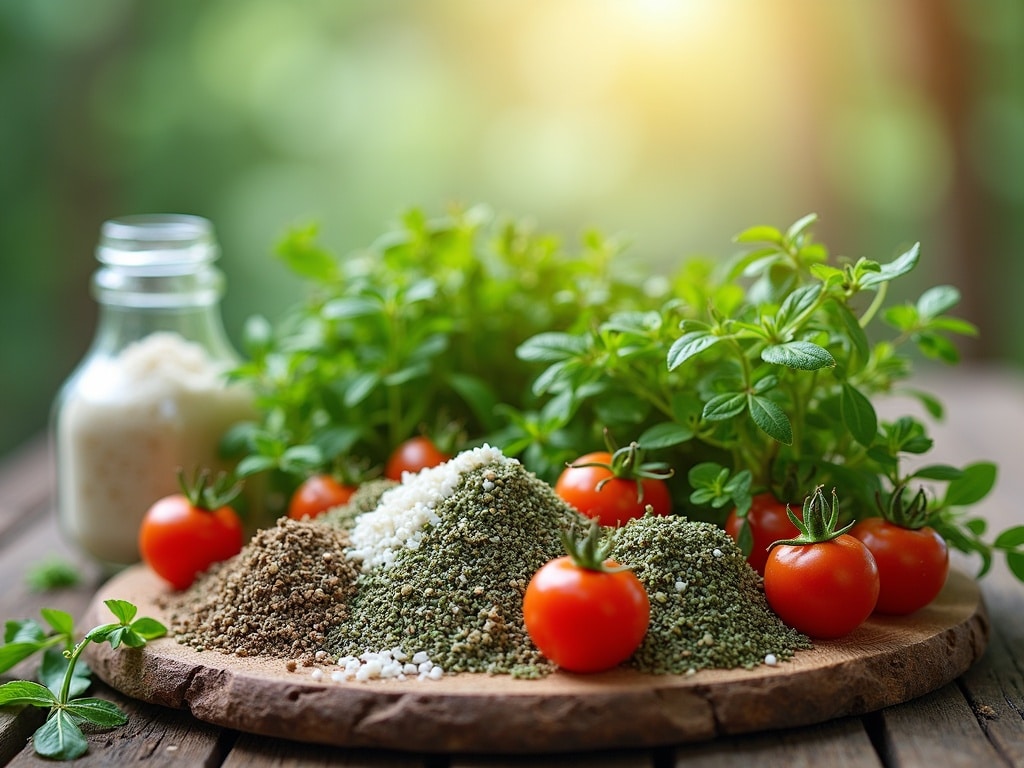
Unlock Flavor and Health: Using Herbs Instead of Salt
Imagine a world where every meal bursts with vibrant flavor, tantalizing your taste buds without relying on that familiar sprinkle of salt. It's not only possible, it's a culinary adventure waiting to happen! For generations, salt has been the go-to flavor enhancer, but excessive sodium intake can lead to serious health concerns. The good news? There's a delicious and readily available alternative: herbs. This comprehensive guide will show you how to transform your cooking and health by embracing the incredible power of herbs instead of salt.
The Downside of Salt: Why Reduce Your Intake?
Before we dive into the wonderful world of herbs, let's address why reducing sodium intake is so important. Salt, or sodium chloride, plays a role in fluid balance and nerve function. However, the modern diet is often overloaded with sodium, primarily from processed foods. This excess can lead to:
- High Blood Pressure (Hypertension): Excess sodium causes the body to retain water, increasing blood volume and pressure on artery walls.
- Heart Disease: High blood pressure is a major risk factor for heart disease, stroke, and other cardiovascular problems.
- Kidney Problems: The kidneys filter sodium from the blood. Over time, excessive sodium intake can strain the kidneys and lead to kidney disease.
- Osteoporosis: Some studies suggest a link between high sodium intake and increased calcium loss, potentially weakening bones.
- Bloating and Water Retention: Sodium causes the body to hold onto water, leading to uncomfortable bloating and swelling.
The American Heart Association recommends no more than 2,300 milligrams of sodium per day for most adults, with an ideal limit of 1,500 mg per day. Unfortunately, the average American consumes far more than that. The good news is that you can significantly reduce your sodium intake without sacrificing flavor by learning to cook with herbs.
The Herbal Revolution: A Flavorful Alternative
Herbs are the aromatic leaves of plants, used for centuries to add flavor, aroma, and even medicinal properties to food. They offer a complex and nuanced flavor profile that salt simply can't match. From the earthy notes of rosemary to the bright zest of cilantro, herbs can elevate your dishes in countless ways. Here’s a look at some popular herbs and how to use them:
Popular Herbs and Their Uses
- Basil: Sweet and slightly peppery, basil is a classic choice for Italian dishes, salads, and pesto. It pairs well with tomatoes, mozzarella, and olive oil.
- Rosemary: Piney and fragrant, rosemary is excellent with roasted meats, potatoes, and Mediterranean cuisine. Use it sparingly, as its flavor is quite potent.
- Thyme: Earthy and slightly lemony, thyme is a versatile herb that complements poultry, vegetables, and soups. It's also a key ingredient in many French dishes.
- Oregano: Bold and slightly bitter, oregano is a staple in Italian and Greek cooking. It's delicious on pizza, pasta, and grilled meats.
- Parsley: Fresh and grassy, parsley is a versatile herb that can be used as a garnish or added to sauces, soups, and salads. There are two main types: flat-leaf (Italian) and curly.
- Cilantro: Bright and citrusy, cilantro is a key ingredient in Mexican, Asian, and South American cuisine. It's delicious in salsas, guacamole, and stir-fries.
- Mint: Cool and refreshing, mint is perfect for teas, desserts, and salads. It pairs well with lamb, chocolate, and fruit.
- Chives: Mild and oniony, chives are a great addition to salads, dips, and egg dishes. They can be used as a garnish or added to cooked dishes at the end.
- Dill: Tangy and slightly grassy, dill is a classic pairing with fish, cucumbers, and potatoes. It's also a key ingredient in many Scandinavian dishes.
- Sage: Earthy and slightly peppery, sage is often used in stuffings, sauces, and with poultry. It has a strong flavor, so use it sparingly.
Fresh vs. Dried Herbs: What's the Difference?
Herbs are available in both fresh and dried forms. While both can be used to enhance flavor, there are some key differences to consider:
- Flavor: Fresh herbs generally have a brighter and more vibrant flavor than dried herbs.
- Potency: Dried herbs have a more concentrated flavor than fresh herbs. As a general rule, use about one-third the amount of dried herbs as you would fresh herbs. For example, if a recipe calls for 1 tablespoon of fresh basil, use 1 teaspoon of dried basil.
- Storage: Fresh herbs are more perishable than dried herbs. Store fresh herbs in the refrigerator, wrapped in a damp paper towel or in a glass of water. Dried herbs can be stored in a cool, dark, and dry place for up to a year.
- Availability: Fresh herbs are typically more readily available during their growing season. Dried herbs are available year-round.
Tips for Cooking with Herbs Instead of Salt
Ready to ditch the salt shaker and embrace the flavor of herbs? Here are some tips to get you started:
Start Small and Experiment
Don't be afraid to experiment with different herbs and combinations. Start by adding a small amount of herb to your dishes and taste as you go. You can always add more herb, but you can't take it away!
Use Fresh Herbs Generously
When using fresh herbs, don't be shy. Use a generous handful to add flavor and aroma to your dishes. Chop the herbs just before using them to release their essential oils.
Add Herbs at the Right Time
The timing of when you add herbs to your dishes can affect their flavor. Delicate herbs like basil, cilantro, and parsley are best added at the end of cooking to preserve their flavor. Hearty herbs like rosemary, thyme, and oregano can withstand longer cooking times and can be added earlier in the process.
Combine Herbs with Other Flavor Boosters
Herbs work well with other flavor enhancers, such as:
- Acids: Lemon juice, vinegar, and wine can add brightness and acidity to your dishes and complement the flavor of herbs.
- Spices: Spices like garlic, onion, pepper, and cumin can add depth and complexity to your dishes.
- Aromatics: Aromatics like garlic, onions, shallots, and ginger can build a flavorful base for your dishes.
- Umami-Rich Ingredients: Ingredients like mushrooms, tomatoes, seaweed, and Parmesan cheese provide a savory, umami flavor that can enhance the overall taste of your dishes.
Create Your Own Herb Blends
Experiment with creating your own herb blends to suit your taste preferences. Some popular herb blends include:
- Italian Herb Blend: Basil, oregano, thyme, rosemary, and marjoram.
- Herbes de Provence: Thyme, rosemary, savory, marjoram, and lavender.
- Mexican Herb Blend: Cilantro, oregano, cumin, and chili powder.
Grow Your Own Herbs
One of the best ways to ensure you always have fresh herbs on hand is to grow your own. Herbs are relatively easy to grow in pots or in a garden. Not feeling like doing all the work? Many grocery stores sell potted herbs that can thrive on a sunny windowsill. Imagine stepping away from the stove and snipping a sprig of rosemary, or fresh basil to elevate your meal from ordinary to extraordinary.
Recipes to Get You Started
Here are a couple of simple recipes to get you started using herbs instead of salt:
Herb-Roasted Chicken
Ingredients:
- 1 whole chicken (about 3-4 pounds)
- 2 tablespoons olive oil
- 2 cloves garlic, minced
- 2 tablespoons fresh rosemary, chopped
- 2 tablespoons fresh thyme, chopped
- 1 tablespoon fresh sage, chopped
- 1 lemon, quartered
- Black pepper to taste
Instructions:
- Preheat oven to 400°F (200°C).
- In a small bowl, combine olive oil, garlic, rosemary, thyme, and sage.
- Rub the herb mixture all over the chicken, including under the skin.
- Place the lemon quarters inside the chicken cavity.
- Season with black pepper.
- Roast for 1 hour and 15 minutes, or until the chicken is cooked through and the juices run clear when pierced with a fork.
- Let rest for 10 minutes before carving and serving.
Mediterranean Quinoa Salad
Ingredients:
- 1 cup quinoa, cooked
- 1 cucumber, diced
- 1 red bell pepper, diced
- 1/2 cup Kalamata olives, halved
- 1/4 cup red onion, thinly sliced
- 1/4 cup fresh parsley, chopped
- 1/4 cup fresh mint, chopped
- 2 tablespoons olive oil
- 2 tablespoons lemon juice
- 1 clove garlic, minced
- Black pepper to taste
Instructions:
- In a large bowl, combine cooked quinoa, cucumber, red bell pepper, Kalamata olives, and red onion.
- In a small bowl, whisk together olive oil, lemon juice, garlic, parsley, and mint.
- Pour the dressing over the quinoa mixture and toss to combine.
- Season with black pepper.
- Serve chilled or at room temperature.
Beyond the Plate: Health Benefits of Herbs
Beyond adding flavor, herbs are packed with health benefits. Many herbs contain antioxidants, anti-inflammatory compounds, and vitamins and minerals that can support overall health. For example:
- Rosemary: May improve memory and concentration.
- Turmeric: Contains curcumin, a powerful anti-inflammatory compound.
- Ginger: Can help relieve nausea and digestive issues.
- Garlic: May boost the immune system and lower blood pressure.
- Basil: Rich in antioxidants and may have anti-inflammatory properties.
Incorporating herbs into your diet is a simple and delicious way to boost your health and well-being.
Embrace the Flavor Revolution
Reducing your sodium intake doesn't have to mean sacrificing flavor. By embracing the incredible power of herbs, you can transform your cooking, improve your health, and embark on a culinary journey filled with vibrant flavors and aromas. So, ditch the salt shaker and discover the wonderful world of herbs – your taste buds (and your heart) will thank you!