
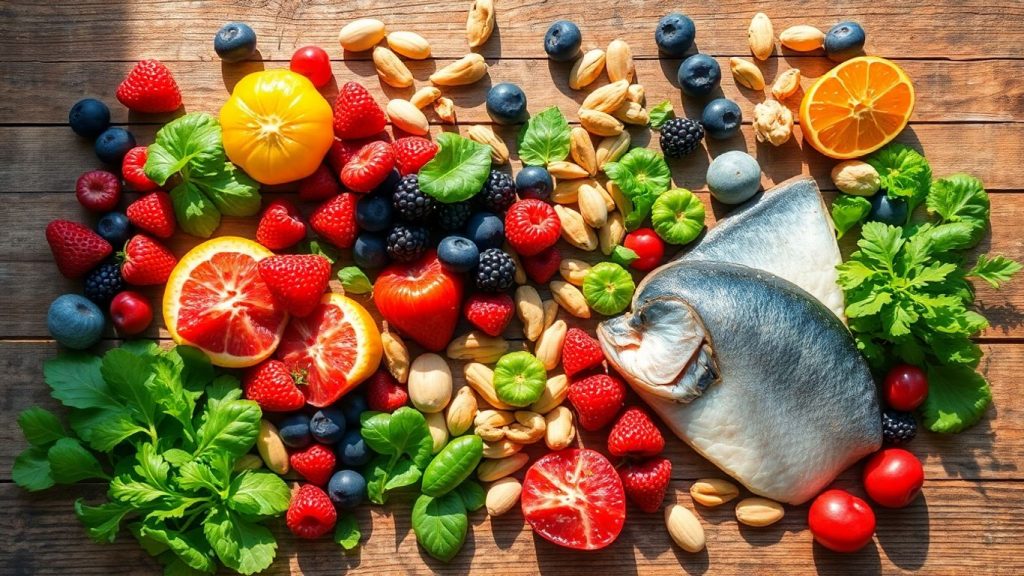
Dealing with high glucose levels can feel like a constant battle. You might be looking for ways to manage it without always relying on medication, and that's totally understandable. The good news is, what you eat can make a real difference. We're going to talk about some everyday foods that can help naturally bring down those high glucose levels. It's not about drastic changes, but smart additions to your meals that can help you feel better and more in control. Let's dive into some of the best foods to lower high glucose levels.
Key Takeaways
- Certain foods can help with blood sugar management because of their nutrients and how they affect your body.
- Adding fiber-rich foods like beans and oats can slow down sugar absorption.
- Lean proteins and healthy fats found in foods like fish and eggs can help keep you full and manage sugar levels.
- Fruits and vegetables, especially leafy greens and berries, offer vitamins and fiber that are good for blood sugar.
- While diet is key, remember that overall lifestyle like exercise and stress management also plays a role in managing glucose.
1. Leafy Greens
When you're looking to naturally help manage your glucose levels, don't overlook the power of leafy greens! Think spinach, kale, collards, and Swiss chard. These aren't just for salads anymore; they're nutritional powerhouses that are super low in calories and carbs, making them a fantastic choice. They're packed with vitamins like A, C, and K, plus minerals such as iron and calcium. Plus, they're loaded with fiber, which is a big win for keeping things balanced.
Here's why they're so great:
- Fiber Friends: The fiber in leafy greens helps slow down how quickly sugar enters your bloodstream. This means fewer spikes and more stability.
- Nutrient Dense: You get a lot of vitamins and minerals without a lot of calories. It's like getting a nutritional bonus!
- Versatile Veggies: You can toss them into smoothies, add them to soups, sauté them as a side dish, or even use them as a base for wraps instead of tortillas.
Leafy greens are a cornerstone of a healthy eating plan for managing blood sugar. Their low glycemic index and high nutrient content make them a smart, satisfying choice that supports overall well-being without adding unnecessary sugar or carbs to your diet.
2. Blueberries
Blueberries are like little powerhouses of goodness when it comes to managing your blood sugar. Seriously, these tiny fruits pack a serious punch! They're loaded with fiber, which is super helpful because it slows down how quickly sugar gets into your bloodstream. Plus, they've got antioxidants and other good stuff like vitamin C and magnesium.
Eating blueberries regularly can make a real difference. Studies have even shown improvements in blood sugar markers when people with type 2 diabetes included them in their diet. They're naturally sweet, so they can satisfy that craving for something sweet without the added sugar that can cause those unwanted spikes.
Here’s why they’re so great:
- Fiber-rich: Helps keep your blood sugar steady.
- Antioxidant boost: Good for your overall health.
- Naturally sweet: A guilt-free way to satisfy your sweet tooth.
Blueberries are a fantastic addition to your diet, offering a delicious way to support your health goals without sacrificing flavor. They're versatile and can be enjoyed in so many ways!
Try tossing a handful into your morning yogurt or oatmeal, or blend them into a smoothie for a tasty treat. You won't regret adding these little gems to your plate!
3. Beans
Beans are like little powerhouses for your body, and guess what? They can totally help keep your blood sugar in check. They're loaded with fiber and protein, which are awesome because they slow down how quickly your body absorbs sugar. This means no crazy spikes and crashes!
Here's why beans are your new best friend:
- Fiber Fiesta: Seriously, the fiber in beans is amazing. It helps you feel full longer and keeps things moving smoothly.
- Protein Power: They offer a great plant-based protein source, which is super important for overall health and can help manage hunger.
- Nutrient Nuggets: Beyond fiber and protein, beans pack in minerals like magnesium, which also plays a role in blood sugar management.
Whether you go for kidney beans, black beans, chickpeas, or lentils, you're making a smart choice. They're versatile too! You can toss them into salads, add them to soups, or even make a hearty bean burger. Just remember to rinse canned beans well to get rid of extra salt. It's a simple step that makes a big difference for your health goals.
4. Oats
Oats are a fantastic choice when you're looking to keep your blood sugar levels in check. They're packed with a special kind of fiber called beta-glucan, which is like a superhero for your digestive system. This fiber works by slowing down how quickly your body absorbs carbohydrates. This means no more sudden spikes and crashes in your blood sugar after a meal!
When you're choosing oats, it's best to go for the less processed kinds. Think steel-cut or rolled oats. Instant oats often go through more processing, which can sometimes make them act more like a quick sugar rush than a steady energy source.
Here’s why oats are so great:
- Fiber Powerhouse: The beta-glucan fiber helps manage glucose and insulin responses after you eat.
- Steady Energy: They provide a slow, steady release of energy, keeping you feeling full and satisfied for longer.
- Heart Health Helper: Beyond blood sugar, oats can also help lower cholesterol levels.
Starting your day with a bowl of oatmeal is a simple yet effective way to set a positive tone for your blood sugar levels. It’s a warm, comforting meal that does wonders for your body.
So, don't hesitate to add oats to your breakfast routine. They're a delicious and smart way to support your health goals!
5. Nuts
When you're looking for a tasty snack that's also good for keeping your blood sugar in check, nuts are a fantastic choice. They're packed with good stuff like fiber, healthy fats, and protein, which all work together to help slow down how your body absorbs sugar. Plus, they're super satisfying, so you're less likely to reach for less healthy options.
Here's why nuts are a win:
- Fiber Power: The fiber in nuts helps prevent those sharp spikes in blood sugar after you eat.
- Healthy Fats: Unsaturated fats are great for your heart and can help improve how your body uses insulin.
- Protein Punch: Protein keeps you feeling full longer, which is a big help in managing your appetite and overall intake.
- Magnesium Boost: Many nuts are a good source of magnesium, a mineral that plays a role in how your body handles glucose.
It's best to go for plain, unsalted nuts to get the most benefit. Think almonds, walnuts, pecans, or even peanuts. You can enjoy them by the handful, toss them into salads, or add them to your morning oatmeal. Just a small serving can make a big difference in keeping you feeling good and your blood sugar levels steady.
6. Apples
Apples are a fantastic, easy-to-grab snack that can really help keep your blood sugar in check. They're packed with soluble fiber, which is like a slow-release fuel for your body, helping to prevent those sudden spikes after you eat. Plus, they have these cool plant compounds, like quercetin, that might offer some extra protection.
Think about it:
- Fiber Power: The soluble fiber in apples helps slow down how quickly sugar gets into your bloodstream.
- Antioxidant Boost: Compounds like quercetin can be good for your overall health.
- Naturally Sweet: They satisfy your sweet tooth without the added sugars found in many processed snacks.
Eating an apple about 30 minutes before a meal, especially one with rice, has been shown to lower blood sugar levels afterward. It's a simple trick that makes a difference!
Apples are a great example of how nature provides simple solutions for our health. They're portable, delicious, and offer a gentle way to manage blood sugar levels, making them a smart choice for anyone looking to eat healthier.
7. Yogurt
Yogurt is a fantastic addition to your diet when you're looking to keep your glucose levels in check. It's packed with good bacteria that are great for your gut, and the protein content helps you feel full longer, which is a win-win for managing hunger and, indirectly, your blood sugar. Plain, unsweetened varieties, especially Greek yogurt, are your best bet because they have less sugar and more protein. It's a simple swap that can make a real difference.
Here’s why yogurt is a smart choice:
- Probiotic Power: The good bacteria can help maintain a healthy gut microbiome, which is linked to better overall health, including blood sugar management.
- Protein Punch: Protein helps slow down digestion, preventing those sharp spikes in blood sugar after eating.
- Versatile Base: It’s super easy to jazz up plain yogurt with other healthy foods.
When choosing yogurt, always look for options that are labeled "unsweetened" or "plain." Flavored yogurts often hide a lot of added sugar, which is exactly what we want to avoid when trying to manage glucose levels. A little bit of natural sweetness from fruit is a much better way to go!
Try topping a bowl of plain Greek yogurt with some fresh berries and a sprinkle of nuts for a satisfying breakfast or snack. It’s a delicious way to get a good dose of nutrients without the sugar rush.
8. Eggs
Eggs are a fantastic choice when you're looking to manage your blood sugar levels. They're packed with protein and healthy fats, which means they help you feel full and satisfied for longer. This can be super helpful in preventing those mid-morning or afternoon snack attacks that can lead to blood sugar spikes. Plus, they're incredibly versatile!
Here's why eggs are a great addition to your diet:
- Nutrient-Dense Powerhouse: Eggs offer a good dose of protein, healthy fats, vitamins, and minerals. This combination is great for overall health and can contribute to better blood sugar control.
- Satiety Boost: The protein and fat content in eggs helps keep you feeling full, which can reduce the urge to reach for less healthy snacks.
- Blood Sugar Stability: Unlike many breakfast options, eggs have a minimal impact on blood sugar levels, making them a smart start to your day.
Eating eggs regularly might just be one of the simplest ways to support your body's natural blood sugar regulation. It's amazing how such a small food can have such a positive effect. So go ahead, enjoy those eggs – they're a win-win for your taste buds and your health!
Remember, consistency is key. Incorporating nutrient-rich foods like eggs into your regular meals can make a real difference in how you feel day-to-day. It's all about making smart, sustainable choices for your well-being.
9. Fish
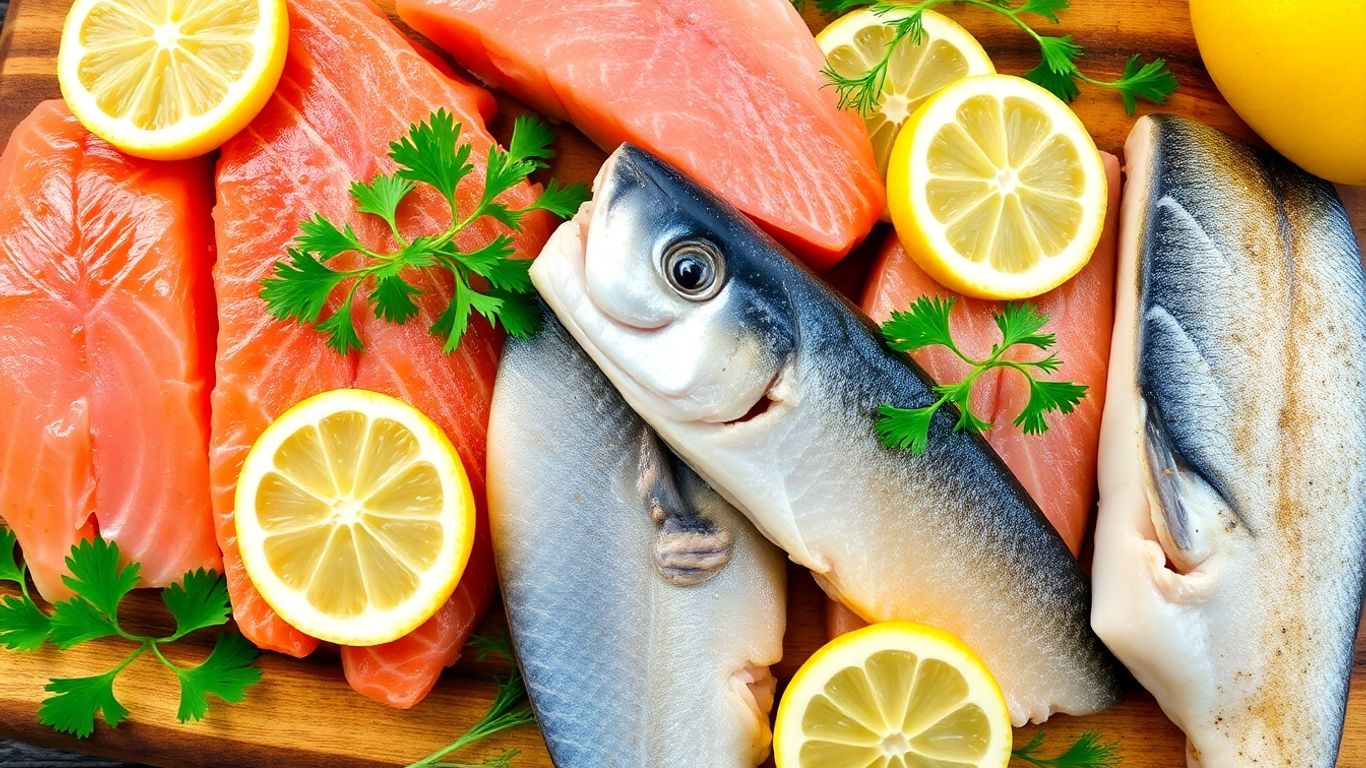
When you're looking to manage your blood sugar, don't forget about fish! It's a fantastic source of protein and healthy fats that can really help keep things stable. Eating fish, especially fatty varieties, at least twice a week is a great goal. These types of fish are packed with omega-3 fatty acids, which are super important for heart health and can help with inflammation too. Think salmon, mackerel, herring, and sardines – they're all winners.
Here’s why fish is such a good choice:
- Helps stabilize blood sugar: The protein and healthy fats slow down digestion, preventing those sharp spikes and drops.
- Rich in Omega-3s: These fats are great for your heart and can reduce inflammation throughout your body.
- Nutrient-dense: Besides omega-3s, fish offers other important vitamins and minerals.
When you're preparing fish, try to keep it simple and healthy. Baking, broiling, or grilling are your best bets. Avoid anything breaded and fried, as that adds unnecessary carbs and calories. A simple lemon and herb seasoning can make a delicious meal. Plus, incorporating fish into your diet is a tasty way to get those heart-healthy benefits you're looking for.
Remember, the goal is to enjoy delicious food that also supports your well-being. Fish fits that bill perfectly, offering a satisfying meal that contributes positively to your health goals.
10. Broccoli
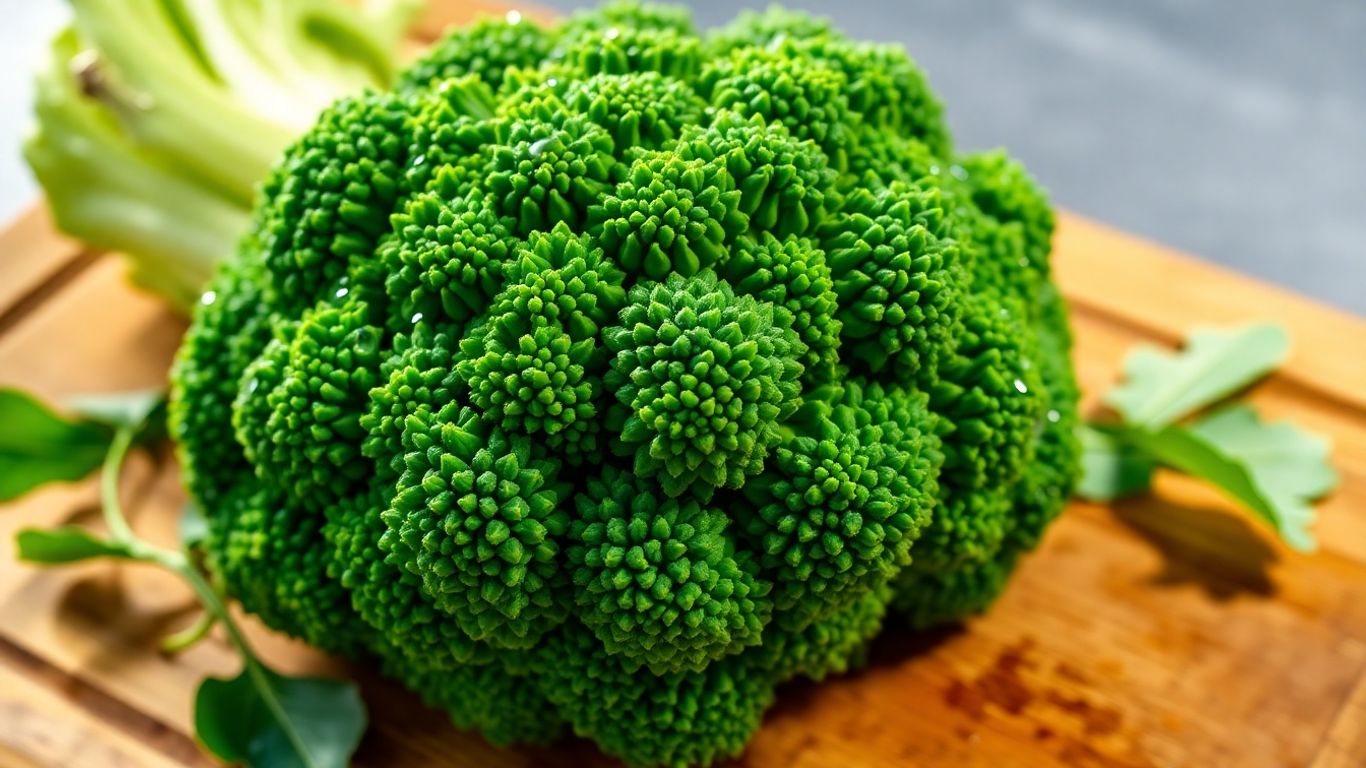
Don't underestimate the power of this humble green veggie! Broccoli is a fantastic addition to your diet when you're looking to naturally manage blood sugar levels. It's packed with good stuff that helps your body work better.
What makes broccoli so special? It contains a compound called sulforaphane. This little powerhouse is known for helping your body become more sensitive to insulin, which is a big win for keeping your glucose in check. Plus, it helps fight off oxidative stress, which is always a good thing.
Here's why broccoli is a star player:
- Sulforaphane Power: This compound is key to improving how your body uses insulin.
- Nutrient-Rich: It's loaded with vitamins and minerals that support overall health.
- Versatile Veggie: You can enjoy it raw, lightly steamed, or even add it to stir-fries and soups.
To get the most out of broccoli, try to eat it raw or just lightly steamed. This helps keep the beneficial compounds, like sulforaphane, active and ready to work their magic. You can even add a little mustard seed powder to cooked broccoli to boost its benefits!
Broccoli is a fast-acting food that can help lower blood sugar levels. It contains sulforaphane, a compound known to improve insulin sensitivity and reduce high blood sugar. Broccoli and seafood are great examples of how nature provides us with tools to support our health goals.
Keep Up the Great Work!
So, there you have it! A bunch of tasty foods that can help keep your glucose levels in check. It's not about completely changing your life overnight, but making small, smart swaps can really make a difference. Think of it as giving your body a little extra love with foods that work with you, not against you. You've got this! Keep exploring these options, enjoy your meals, and feel good about taking steps towards a healthier you. Here's to feeling more balanced and energized, one delicious bite at a time!
Frequently Asked Questions
What are the best foods to eat to help lower high blood sugar levels naturally?
Several foods can help manage blood sugar. Leafy greens like spinach and kale are great because they have a low glycemic index and are packed with nutrients. Blueberries are also good, offering fiber and antioxidants. Beans are rich in fiber and can be a good protein source. Oats, especially steel-cut oats, are high in fiber, which slows down sugar absorption. Nuts provide fiber and healthy fats. Apples contain soluble fiber that can help. Plain or unsweetened yogurt, particularly Greek yogurt, is a good choice for gut health and protein. Eggs are a good source of protein and healthy fats. Fish, especially fatty fish like salmon, offers protein and omega-3s. Broccoli is known for compounds that can improve insulin sensitivity.
Can I really lower my blood sugar just by eating certain foods?
While diet is a major part of managing blood sugar, it's usually not the only factor. Eating foods that are low on the glycemic index (GI), meaning they don't cause a quick spike in your blood sugar, can definitely help. Think whole grains, lots of veggies, and lean proteins. However, for big changes, especially if you have diabetes, it's best to combine these healthy food choices with regular exercise, managing stress, and possibly medication as recommended by your doctor. No single food is a magic cure, but a healthy eating pattern makes a big difference.
Are there any foods I should avoid if I have high blood sugar?
Yes, definitely! Foods that are high in sugar and refined carbohydrates can cause your blood sugar to shoot up quickly. This includes sugary drinks like soda, candy, cakes, cookies, and white bread or pastries. Processed snacks and fast food are often loaded with unhealthy fats and sugars, so it's best to limit those too. Reading food labels can help you spot hidden sugars and refined ingredients.
How quickly can I expect to see results from changing my diet?
The speed at which you see changes can vary from person to person. Some people might notice a difference in how they feel within a few days or weeks of eating healthier. For more measurable results, like changes in blood sugar readings, it might take a few weeks to a couple of months of consistent healthy eating. Remember, it's about making sustainable changes for long-term health, not just a quick fix.
Is it okay to eat fruits if I have high blood sugar?
Most fresh fruits are actually a good choice! They have natural sugars, but they also come with lots of fiber and water, which helps balance things out and prevents big blood sugar spikes. Fruits like apples, berries, and peaches are great options. The main things to watch out for are fruit juices, which have the fiber removed and can raise blood sugar faster, and very ripe fruits or dried fruits, which can be more concentrated in sugar. Eating whole fruits in moderation is usually recommended.
Besides diet, what else can help manage blood sugar levels?
Making healthy food choices is super important, but other lifestyle habits play a big role too. Getting regular exercise is key because it helps your body use insulin better and can lower blood sugar. Managing stress is also vital, as stress hormones can raise blood sugar. Making sure you get enough sleep and staying hydrated by drinking plenty of water are also helpful. If you have diabetes, working with your doctor or a dietitian is the best way to create a plan that includes all these aspects.