
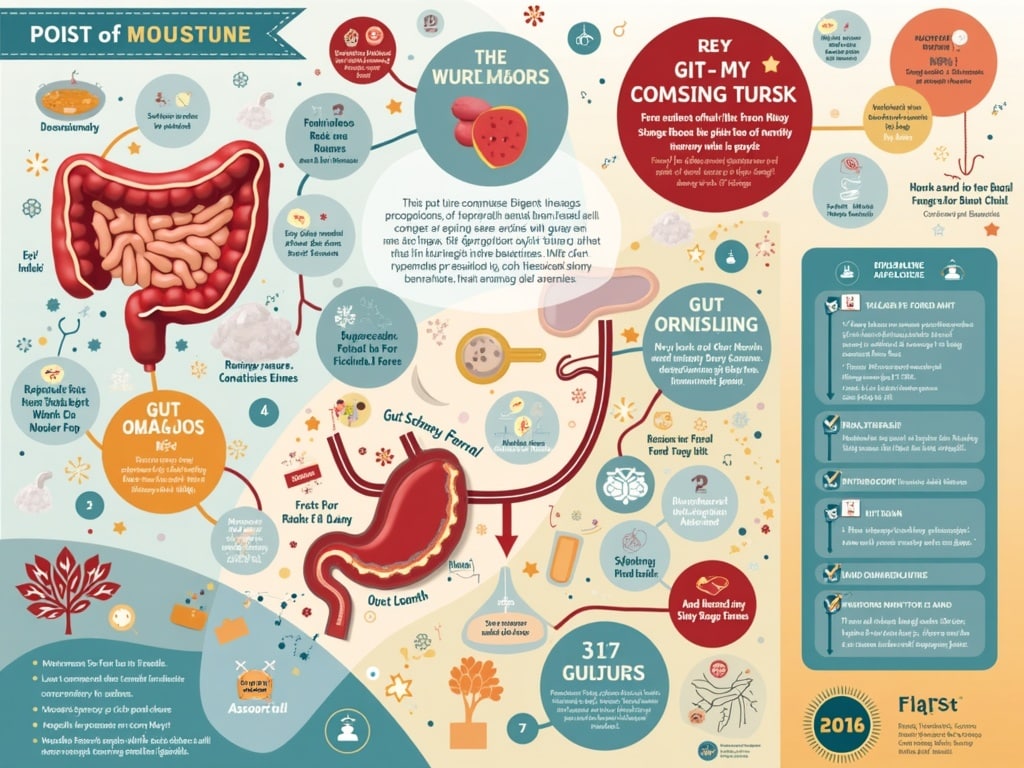
The Gut-Brain Connection Explained: How Your Belly Talks to Your Mind
Ever had a gut feeling about something? That's not just a saying; it's a scientific reality. The intricate relationship between your digestive system and your brain, often called the gut-brain connection, is a two-way superhighway influencing everything from your mood to your immune system. Understanding this connection is revolutionizing how we approach health and wellness.
What is the Gut-Brain Connection?
The gut-brain connection refers to the bidirectional communication network linking the central nervous system (CNS) – your brain – with the enteric nervous system (ENS) – the nervous system of your gastrointestinal tract. Think of it like a constant conversation happening between your brain and your belly, each influencing the other.
This communication occurs through several pathways:
**The Vagus Nerve:This cranial nerve is the longest in the body and acts as a direct line of communication, sending signals from the gut to the brain and vice versa.
**Neurotransmitters:Your gut produces many of the same neurotransmitters as your brain, including serotonin (mood regulation), dopamine (reward), and GABA (calming). Gut bacteria play a significant role in this production.
**The Immune System:A significant portion of your immune system resides in your gut. Inflammation in the gut can trigger an immune response that affects the brain, and vice versa.
**Short-Chain Fatty Acids (SCFAs):Gut bacteria ferment dietary fiber to produce SCFAs like butyrate, acetate, and propionate. These SCFAs have various beneficial effects, including nourishing the gut lining and influencing brain function.
**The Hypothalamic-Pituitary-Adrenal (HPA) Axis:This system regulates stress response. Gut imbalances can activate the HPA axis, leading to increased cortisol production and affecting mood and cognitive function.
The Gut Microbiome: The Key Player
Central to the gut-brain connection is the gut microbiome – the trillions of bacteria, fungi, viruses, and other microorganisms that live in your digestive tract. This complex ecosystem plays a critical role in digestion, nutrient absorption, immune function, and, importantly, brain health.
A healthy, diverse gut microbiome can:
Produce beneficial neurotransmitters that influence mood and cognition.
Strengthen the gut lining, preventing leaky gut and inflammation.
Support a healthy immune system, reducing the risk of autoimmune diseases and other inflammatory conditions.
Synthesize vitamins like B vitamins and vitamin K.
An imbalanced gut microbiome, often called dysbiosis, can contribute to various health problems, including:
Anxiety and depression
Irritable bowel syndrome (IBS)
Inflammatory bowel disease (IBD)
Cognitive decline
Autism spectrum disorder (ASD)
Obesity and metabolic disorders
How Gut Health Affects Mental Health
The link between gut health and mental health is one of the most fascinating aspects of the gut-brain connection. Studies have shown that individuals with mental health disorders often have altered gut microbiomes.
**Serotonin & Mood:Approximately 90% of serotonin, the feel-good neurotransmitter, is produced in the gut. Gut bacteria stimulate the production of serotonin, which then travels to the brain via the vagus nerve. An imbalanced gut can lead to reduced serotonin production, potentially contributing to depression and anxiety.
**Inflammation & The Brain:Chronic inflammation, often originating in the gut, can negatively impact brain function. Inflammation can disrupt neurotransmitter signaling, damage brain cells, and contribute to cognitive decline.
**Stress & The Gut:Stress can significantly impact the gut microbiome. Stress hormones like cortisol can alter the composition and function of gut bacteria, leading to digestive issues and further impacting mental well-being. This creates a vicious cycle.
Mental Health and Your Gut
The connection runs both ways. Stress, anxiety, and depression can all impact your gut health. For example, stress can:
Reduce blood flow to the digestive system, impairing digestion.
Alter gut motility, leading to diarrhea or constipation.
Increase gut permeability (leaky gut).
Change the composition of the gut microbiome, favoring harmful bacteria.
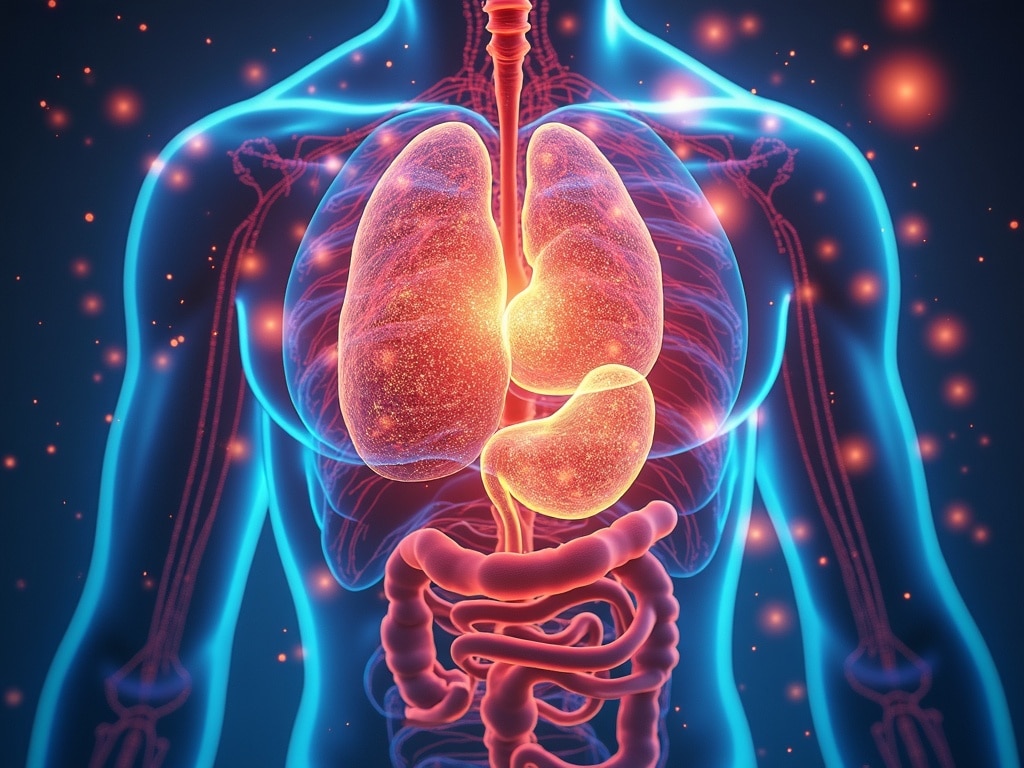
The Gut-Brain Connection and Specific Conditions
Research continues to uncover the role of the gut-brain connection in various conditions:
**Irritable Bowel Syndrome (IBS):IBS is a common disorder characterized by abdominal pain, bloating, gas, diarrhea, and constipation. Studies have shown that individuals with IBS often have altered gut microbiomes and increased gut permeability. Targeting the gut microbiome through diet and probiotics may help alleviate IBS symptoms.
**Inflammatory Bowel Disease (IBD):IBD, including Crohn's disease and ulcerative colitis, is characterized by chronic inflammation of the digestive tract. The gut microbiome plays a significant role in the development and progression of IBD.
**Autism Spectrum Disorder (ASD):Some research suggests a link between gut health and ASD. Children with ASD often have digestive issues and altered gut microbiomes. While more research is needed, some studies have shown that interventions targeting the gut microbiome may improve certain ASD symptoms.
**Alzheimer's Disease: Emerging research suggests that the gut microbiome may play a role in the development and progression of Alzheimer's disease. Leaky gut and inflammation may contribute to the accumulation of amyloid plaques in the brain, a hallmark of Alzheimer's.
How to Improve Your Gut-Brain Connection
Fortunately, there are many things you can do to improve your gut health and, in turn, support your brain health. These steps involve dietary and lifestyle changes that help to enhance positive gut bacteria and reduce the number of negative bacteria.
**Eat a Diverse Diet Rich in Fiber:Fiber is the primary food source for beneficial gut bacteria. Aim for a diet rich in fruits, vegetables, whole grains, legumes, nuts, and seeds. [externalLink insert]
**Consume Fermented Foods:Fermented foods like yogurt, kefir, sauerkraut, kimchi, and kombucha contain probiotics – live microorganisms that can benefit the gut microbiome. Make sure to choose plain, unsweetened varieties of yogurt and kefir.
**Take a Probiotic Supplement:A high-quality probiotic supplement can help to re-establish a healthy gut microbiome. Look for a supplement that contains multiple strains of bacteria and a high CFU (colony-forming units) count.
**Limit Processed Foods, Sugar, and Artificial Sweeteners:These can negatively impact the gut microbiome and contribute to inflammation.
**Manage Stress:Practice stress-reducing techniques like meditation, yoga, deep breathing exercises, or spending time in nature.
**Get Enough Sleep:Aim for 7-8 hours of quality sleep per night. Sleep deprivation can negatively impact the gut microbiome.
**Exercise Regularly:Exercise can promote a healthy gut microbiome and reduce inflammation.
**Stay Hydrated:Drink plenty of water throughout the day to support digestive health.
**Consider Prebiotics:These are non-digestible food components that feed beneficial gut bacteria. Good sources of prebiotics include garlic, onions, asparagus, bananas, and oats.
The Future of Gut-Brain Research
The study of the gut-brain connection is a rapidly evolving field. Future research will likely focus on:
Identifying specific gut bacteria that are associated with various mental and neurological disorders.
Developing personalized interventions, such as tailored diets and probiotic supplements, to address gut imbalances and improve brain health.
Understanding the mechanisms by which the gut microbiome influences brain development and function.
Exploring the potential of fecal microbiota transplantation (FMT) as a treatment for certain conditions.
The Gut-Brain Connection: A Powerful Tool for Health
Understanding the gut-brain connection empowers you to take control of your health and well-being. By nourishing your gut, you can support your brain, improve your mood, boost your immune system, and reduce your risk of chronic diseases. Listen to your gut – it's trying to tell you something. Adopting a gut-friendly lifestyle offers a holistic approach to wellness, acknowledging the profound interconnectedness of your body and mind. Consider consulting with a registered dietitian or healthcare professional to get personalized advice on how to optimize your gut health. They can help you develop a plan that addresses your specific needs and goals, ensuring you're on the right path to a healthier, happier you. Remember that one step can change your life .