
The Gut-Brain Connection Explained: How Your Belly Talks to Your Mind
Imagine a bustling city, where constant communication flows between two major districts: a vibrant, ever-changing marketplace filled with unique characters and a grand, commanding control center. This, in essence, is the gut-brain connection – a complex, bidirectional superhighway linking your digestive system and your brain. But how does this intricate network actually work, and more importantly, how does it impact your mental and emotional well-being? For years, the idea that the gut could significantly influence the brain was considered a bit out there. Now, science is proving just how profoundly these two systems are intertwined. Let’s delve into the fascinating world of the gut-brain axis and discover how nurturing your gut can lead to a happier, healthier mind.
What is the Gut-Brain Axis?
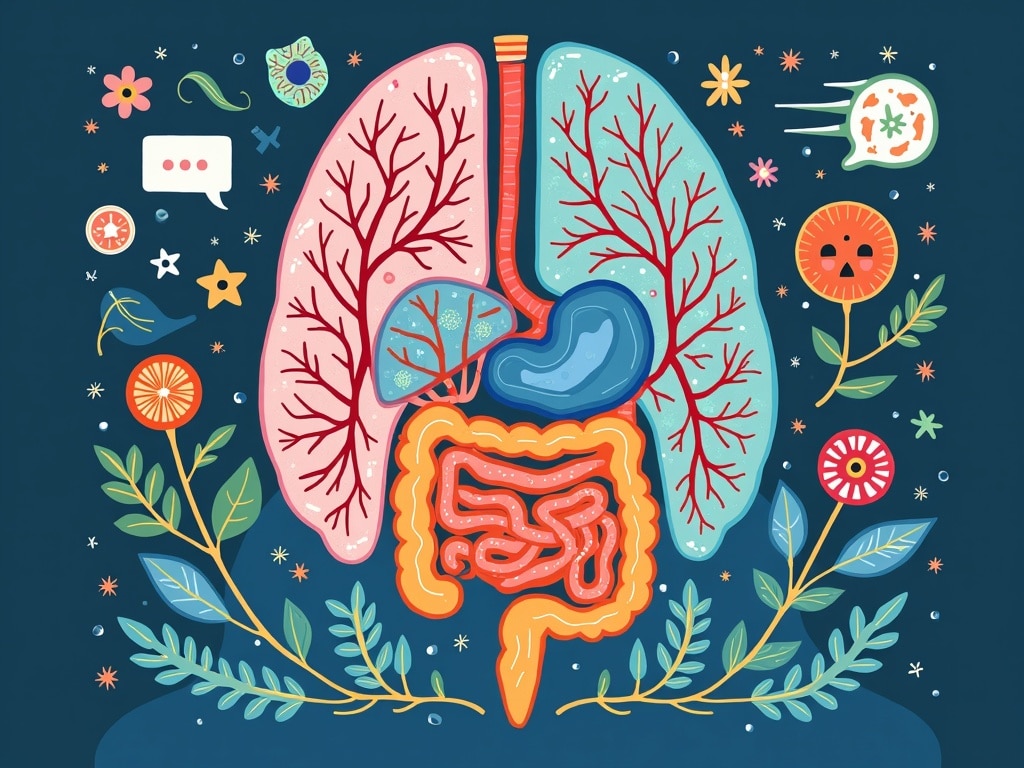
The gut-brain axis (GBA) is a complex communication network that connects the central nervous system (your brain) with the enteric nervous system (ENS), often referred to as the second brain located in your gastrointestinal tract. This connection isn't a one-way street; information flows in both directions, influencing everything from mood and cognition to digestion and immune function. Think of it as a constant dialogue between your brain and your belly, with each influencing the other’s decisions.
Key Players in the Gut-Brain Communication Network
Several key players facilitate this constant communication:
- The Vagus Nerve: This is the longest cranial nerve in the body, acting as a direct telephone line between the gut and the brain. It transmits signals related to gut sensations, inflammation, and nutrient levels.
- The Microbiome: The trillions of bacteria, fungi, viruses, and other microorganisms living in your gut collectively form the microbiome. These tiny residents produce neurotransmitters, short-chain fatty acids (SCFAs), and other compounds that can influence brain function.
- Neurotransmitters: The gut is a major producer of neurotransmitters like serotonin (the happiness hormone), dopamine (related to pleasure and reward), and GABA (a calming neurotransmitter). These chemicals don't just stay in the gut; they can travel to the brain and affect mood, anxiety, and cognitive function.
- The Immune System: A significant portion of your immune system resides in your gut. Gut inflammation can trigger a systemic immune response, impacting brain health and potentially contributing to conditions like depression and anxiety.
- Short-Chain Fatty Acids (SCFAs): These are produced when gut bacteria ferment dietary fiber. SCFAs like butyrate have been shown to have anti-inflammatory effects and can even cross the blood-brain barrier, influencing brain function directly.
How Your Gut Influences Your Brain
The influence of the gut on the brain is multifaceted and profound.
Mood and Emotional Regulation
Research has consistently shown a link between gut health and mood disorders. For example, imbalances in the gut microbiome (dysbiosis) have been associated with increased risk of anxiety and depression. The gut's production of serotonin, combined with the influence it has on the vagus nerve, means that a happy gut can often contribute to a happier mind. Studies are increasingly focusing on using probiotics and prebiotics to improve mental health outcomes, with some promising results.
Cognitive Function
Emerging research suggests that the gut microbiome can also impact cognitive functions like memory and learning. SCFAs, produced by gut bacteria, have been found to support brain health and may even protect against neurodegenerative diseases. Furthermore, gut inflammation can impair cognitive function, highlighting the importance of maintaining a healthy gut environment.
Stress Response
The gut-brain axis plays a crucial role in the body's stress response. Chronic stress can negatively impact the gut microbiome, leading to increased inflammation and altered gut permeability (leaky gut). This, in turn, can further exacerbate stress and anxiety. Conversely, a healthy gut can help buffer the effects of stress, promoting resilience and emotional well-being.
How Your Brain Influences Your Gut
The communication isn't just one-way. Your brain has a significant impact on your gut health, too.
Stress and Digestion
When you're stressed, your brain activates the fight or flight response, diverting blood flow away from the digestive system and slowing down gut motility. This can lead to digestive issues like bloating, constipation, or diarrhea. Chronic stress can also disrupt the gut microbiome, favoring the growth of harmful bacteria and reducing the diversity of beneficial species.
Emotional Eating
Your emotions can significantly influence your eating habits. Stress, sadness, or boredom can trigger cravings for comfort foods, which are often processed, high in sugar, and low in nutrients. These dietary choices can negatively impact the gut microbiome, further contributing to mood imbalances and digestive problems.
The Placebo Effect
The placebo effect, where a person experiences a benefit from a sham treatment, highlights the power of the brain to influence the gut. Studies have shown that the expectation of relief from digestive symptoms can actually alter gut motility and reduce pain perception.
Healing Your Gut, Healing Your Mind: Practical Steps
Given the profound connection between the gut and the brain, nurturing your gut health can be a powerful strategy for improving your mental and emotional well-being. Here are some actionable steps you can take:
Embrace a Gut-Friendly Diet
What you eat directly impacts the composition and function of your gut microbiome.
- Eat a Variety of Fiber-Rich Foods: Fiber feeds the beneficial bacteria in your gut. Include plenty of fruits, vegetables, whole grains, legumes, nuts, and seeds in your diet.
- Incorporate Fermented Foods: Fermented foods like yogurt, kefir, sauerkraut, kimchi, and kombucha contain probiotics (live beneficial bacteria) that can help diversify your gut microbiome.
- Limit Processed Foods, Sugar, and Artificial Sweeteners: These can disrupt the balance of your gut bacteria and promote inflammation.
- Stay Hydrated: Water is essential for digestion and helps maintain a healthy gut environment.
Manage Stress Effectively
Chronic stress can wreak havoc on your gut health.
- Practice Mindfulness and Meditation: These techniques can help calm the nervous system and reduce stress levels.
- Engage in Regular Exercise: Physical activity has been shown to improve gut health and reduce stress.
- Prioritize Sleep: Getting enough sleep is crucial for both gut and brain health.
- Spend Time in Nature: Studies have shown that spending time in nature can reduce stress and improve mood.
Consider Probiotics and Prebiotics
- Probiotics: These are live microorganisms that can help improve the balance of your gut microbiome. Consider taking a probiotic supplement or incorporating more fermented foods into your diet.
- Prebiotics: These are non-digestible fibers that feed the beneficial bacteria in your gut. Foods rich in prebiotics include garlic, onions, asparagus, bananas, and oats.
Address Underlying Gut Issues
If you suspect you have an underlying gut issue like leaky gut, SIBO (small intestinal bacterial overgrowth), or IBS (irritable bowel syndrome), consult with a healthcare professional for diagnosis and treatment.
The Future of Gut-Brain Research
The field of gut-brain research is rapidly evolving, with new discoveries being made all the time. Researchers are exploring the potential of microbiome-targeted therapies for a wide range of conditions, including depression, anxiety, autism, Alzheimer's disease, and Parkinson's disease. Personalized nutrition based on an individual's gut microbiome is also a promising area of research. As we continue to unravel the complexities of the gut-brain connection, we'll gain a deeper understanding of how to optimize both our physical and mental well-being.
Conclusion: Listen to Your Gut
The gut-brain connection is a powerful reminder that our physical and mental health are inextricably linked. By nurturing our gut health through diet, stress management, and other lifestyle changes, we can positively impact our mood, cognition, and overall well-being. So, pay attention to what your gut is telling you – it may be trying to tell you something important about your mind. Start small, be consistent, and listen to your body. Your mental well-being may depend on it.