
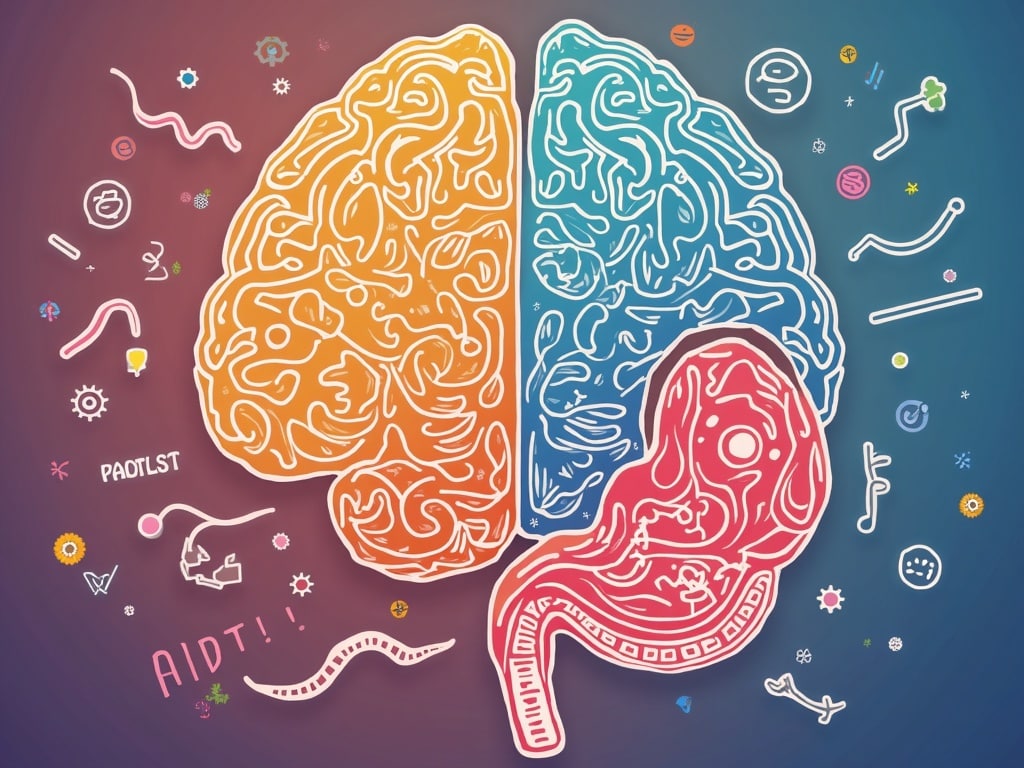
The Gut-Brain Connection Explained: How Your Belly Influences Your Mind
Imagine a world where your stomach rumbles not just for food, but also dictates your mood, your stress levels, and even your ability to think clearly. Sounds like science fiction? It's not. It's the reality of the gut-brain connection, a complex and fascinating two-way communication system that's revolutionizing our understanding of mental and physical health. For years, we've treated the brain and the body as separate entities, but mounting evidence reveals that the gut, often referred to as the second brain, wields surprising power over our cognitive and emotional well-being. Let's dive into the intricate world of the gut-brain connection explained, exploring its mechanisms, its impact on mental health, and what you can do to harness its power for a happier, healthier life.
What Exactly is the Gut-Brain Connection?
The gut-brain connection, also known as the gut-brain axis (GBA), is a bidirectional communication network linking the central nervous system (CNS) in the brain with the enteric nervous system (ENS) in the gut. It involves direct and indirect pathways, enabling constant dialogue between these two vital organs. Think of it as a superhighway of information, with messages constantly zipping back and forth. This intricate system influences a wide range of physiological processes, including digestion, immunity, hormone regulation, and, crucially, mental and emotional well-being.
The Key Players: How Gut and Brain Communicate
Several key players facilitate this constant communication:
- The Vagus Nerve: This cranial nerve is the longest in the body and acts as a direct line of communication between the gut and the brain, transmitting signals about gut health and activity. Around 90% of the fibers in the vagus nerve carry information from the gut *tothe brain.
- Neurotransmitters: The gut manufactures a significant portion of the body's neurotransmitters, chemical messengers that influence mood and behavior. For example, around 95% of serotonin, a key neurotransmitter involved in regulating mood, sleep, and appetite, is produced in the gut.
- The Gut Microbiota: This complex community of bacteria, fungi, viruses, and other microorganisms residing in the gut plays a crucial role in digestion, immunity, and the production of neurotransmitters and other signaling molecules that impact the brain. An imbalance in the gut microbiota (dysbiosis) can disrupt the gut-brain axis and contribute to mental health problems.
- The Immune System: The gut houses a significant portion of the body's immune cells. The gut microbiota influences immune function, and in turn, the immune system can affect the brain through the release of inflammatory cytokines. Chronic inflammation, often originating in the gut, is linked to various mental health disorders.
- Short-Chain Fatty Acids (SCFAs): These compounds are produced when gut bacteria ferment dietary fiber. SCFAs like butyrate, acetate, and propionate have been shown to have beneficial effects on both gut and brain health.
The Gut-Brain Connection and Mental Health: A Deep Dive
The impact of the gut-brain connection on mental health is profound and multifaceted. Research increasingly links alterations in the gut microbiota and disruptions in the gut-brain axis to a range of mental health disorders.
Anxiety and Depression
Studies have shown a strong correlation between gut dysbiosis and anxiety and depression. For example, individuals with anxiety disorders often exhibit altered gut microbiota composition compared to healthy controls. Animal studies have demonstrated that transferring gut microbiota from depressed patients to germ-free animals can induce depressive-like behaviors. Furthermore, interventions targeting the gut, such as probiotic supplementation, have shown promise in reducing anxiety and depressive symptoms in some individuals. The mechanisms behind this link are complex, involving the production of neurotransmitters, the modulation of the immune system, and the influence on stress hormones.
Stress and the Gut
Stress can significantly impact the gut, and vice versa. During stressful situations, the body releases cortisol, a stress hormone that can disrupt gut motility, increase intestinal permeability (leaky gut), and alter the composition of the gut microbiota. These changes can, in turn, exacerbate anxiety and mood disorders. The gut microbiota also influences the hypothalamic-pituitary-adrenal (HPA) axis, the body's central stress response system. An imbalance in the gut microbiota can lead to HPA axis dysregulation, making individuals more vulnerable to stress.
Cognitive Function and Neurodegenerative Diseases
Emerging research suggests that the gut-brain connection also plays a role in cognitive function and neurodegenerative diseases like Alzheimer's and Parkinson's. The gut microbiota can influence brain development, learning, and memory. Alterations in the gut microbiota have been observed in individuals with Alzheimer's disease, and studies suggest that gut dysbiosis may contribute to the development and progression of the disease. Similarly, in Parkinson's disease, gut dysbiosis is thought to contribute to the aggregation of alpha-synuclein, a protein involved in the disease process.
Autism Spectrum Disorder (ASD)
Many individuals with ASD experience gastrointestinal issues, suggesting a potential link between the gut and neurological symptoms. Studies have found differences in the gut microbiota composition of individuals with ASD compared to neurotypical individuals. Some research suggests that targeting the gut microbiota through dietary interventions or probiotic supplementation may help improve gastrointestinal symptoms and potentially alleviate some behavioral symptoms in individuals with ASD.
Nurturing Your Gut for a Healthier Mind: Practical Strategies
The good news is that you can actively influence your gut health and, consequently, your mental well-being through various lifestyle adjustments.
Diet: Fueling Your Gut Microbiota
Diet is a cornerstone of gut health. Focusing on a diet rich in fiber, prebiotics, and probiotics can significantly improve your gut microbiota composition.
- Fiber-Rich Foods: Fiber serves as food for beneficial gut bacteria, promoting their growth and diversity. Good sources of fiber include fruits, vegetables, whole grains, legumes, and nuts.
- Prebiotics: Prebiotics are non-digestible fibers that specifically nourish beneficial gut bacteria. Examples include garlic, onions, leeks, asparagus, and bananas.
- Probiotics: Probiotics are live microorganisms that can directly contribute to the gut microbiota. You can obtain them from fermented foods like yogurt, kefir, sauerkraut, kimchi, and kombucha, or through probiotic supplements. Choosing a high-quality probiotic with a variety of strains is essential.
- Limit Processed Foods, Sugar, and Artificial Sweeteners: These can negatively impact the gut microbiota and contribute to inflammation.
Stress Management
Chronic stress can wreak havoc on your gut. Incorporating stress-reducing practices into your daily routine is essential for maintaining a healthy gut-brain connection.
- Mindfulness and Meditation: These practices can help calm the nervous system and reduce stress hormones.
- Yoga and Exercise: Physical activity can also reduce stress and improve gut motility.
- Adequate Sleep: Sleep deprivation can disrupt the gut microbiota and increase stress levels. Aim for 7-9 hours of quality sleep per night.
Lifestyle Factors
Beyond diet and stress management, other lifestyle factors can influence your gut health.
- Antibiotics: While antibiotics can be life-saving, they can also disrupt the gut microbiota. Use them only when necessary and consider taking a probiotic supplement after a course of antibiotics.
- Hydration: Drinking plenty of water is essential for maintaining gut health and preventing constipation.
- Regular Exercise: Physical activity can improve gut motility, reduce inflammation, and promote a healthy gut microbiota.
Supplements
Specific supplements may also support gut health and promote a healthy gut-brain connection.
- Probiotics: As mentioned earlier, probiotic supplements can help re-establish a healthy gut microbiota.
- L-Glutamine: This amino acid can help repair the gut lining and reduce intestinal permeability (leaky gut).
- Digestive Enzymes: These enzymes can aid in digestion and help break down food, potentially reducing digestive discomfort and supporting gut health.
The Future of Gut-Brain Research: A Promising Horizon
The field of gut-brain research is rapidly evolving, with new discoveries emerging constantly. Scientists are now investigating the potential of targeted interventions, such as fecal microbiota transplantation (FMT), to treat mental health disorders. FMT involves transferring gut microbiota from a healthy donor to a recipient with a dysbiotic gut. While still in its early stages, research suggests that FMT may hold promise for treating certain mental health conditions. As our understanding of the gut-brain connection deepens, we can anticipate more effective and personalized approaches to promoting both mental and physical well-being.
By understanding the intricate link between your gut and your brain, you can take proactive steps to nurture your gut health and, in turn, improve your mood, reduce stress, and enhance your cognitive function. The gut-brain connection explained reveals that the key to a healthier mind may lie, surprisingly, in your belly. So, listen to your gut, nourish it with wholesome foods, manage your stress, and embrace the power of this remarkable connection for a happier, healthier you.