

Natural Ways to Reduce Stress and Cortisol: A Comprehensive Guide
In today's fast-paced world, stress has become an unwelcome companion for many. The constant demands of work, family, and social life can leave us feeling overwhelmed and anxious. But did you know that chronic stress can also wreak havoc on your body by elevating cortisol levels? Cortisol, often dubbed the stress hormone, plays a vital role in regulating various bodily functions. However, when it's constantly elevated, it can lead to a host of health problems, including weight gain, sleep disturbances, and a weakened immune system. The good news is that there are natural, effective ways to manage stress and keep cortisol levels in check. This comprehensive guide will explore a variety of strategies you can incorporate into your daily life to find calm and reclaim your well-being.
Understanding Stress and Cortisol
Before diving into the solutions, let's take a closer look at stress and cortisol and how they impact your body:
What is Stress?
Stress is the body's natural response to any demand or challenge. It can be triggered by a variety of factors, including work pressure, relationship problems, financial worries, and even positive events like planning a wedding. While short-term stress can be beneficial, chronic stress can have detrimental effects on both your physical and mental health. This is where the hormone cortisol comes into play.
The Role of Cortisol
Cortisol is a steroid hormone produced by the adrenal glands. It's essential for regulating blood sugar, metabolism, inflammation, and blood pressure. When you experience stress, your body releases cortisol to help you cope with the situation. However, when cortisol levels remain elevated for extended periods, it can disrupt these functions and lead to a range of health issues, like:
- Weight gain, particularly around the abdomen
- Muscle weakness
- High blood pressure
- Difficulty sleeping
- Impaired cognitive function
- Increased risk of infections
Lifestyle Adjustments for Stress Reduction
Making simple changes to your daily habits can significantly reduce stress and cortisol levels.
Prioritize Sleep
Sleep deprivation is a major contributor to stress. Aim for 7-9 hours of quality sleep each night. Establish a regular sleep schedule, create a relaxing bedtime routine, and make sure your bedroom is dark, quiet, and cool.
Nourish Your Body with a Balanced Diet
What you eat can significantly impact your stress levels. Focus on a diet rich in fruits, vegetables, whole grains, and lean protein. Avoid processed foods, sugary drinks, and excessive caffeine and alcohol.
- Eat Plenty of Fruits and Vegetables: These are packed with vitamins, minerals, and antioxidants that can help protect your body from the damaging effects of stress.
- Choose Complex Carbohydrates: Whole grains, such as brown rice and quinoa, provide a steady source of energy and help regulate blood sugar levels.
- Include Healthy Fats: Omega-3 fatty acids, found in fatty fish, flaxseeds, and walnuts, have been shown to reduce stress and improve mood.
- Limit Processed Foods, Sugary Drinks, and Excessive Caffeine and Alcohol: These can exacerbate stress and disrupt sleep.
Embrace Regular Exercise
Physical activity is a powerful stress reliever. Exercise helps release endorphins, which have mood-boosting effects. Aim for at least 30 minutes of moderate-intensity exercise most days of the week. Find an activity you enjoy, whether it's walking, running, swimming, dancing, or yoga.
- Find an Activity You Enjoy: The more you enjoy your workout, the more likely you are to stick with it.
- Set Realistic Goals: Start slowly and gradually increase the intensity and duration of your workouts.
- Make Exercise a Social Activity: Working out with a friend can help you stay motivated and make exercise more enjoyable.
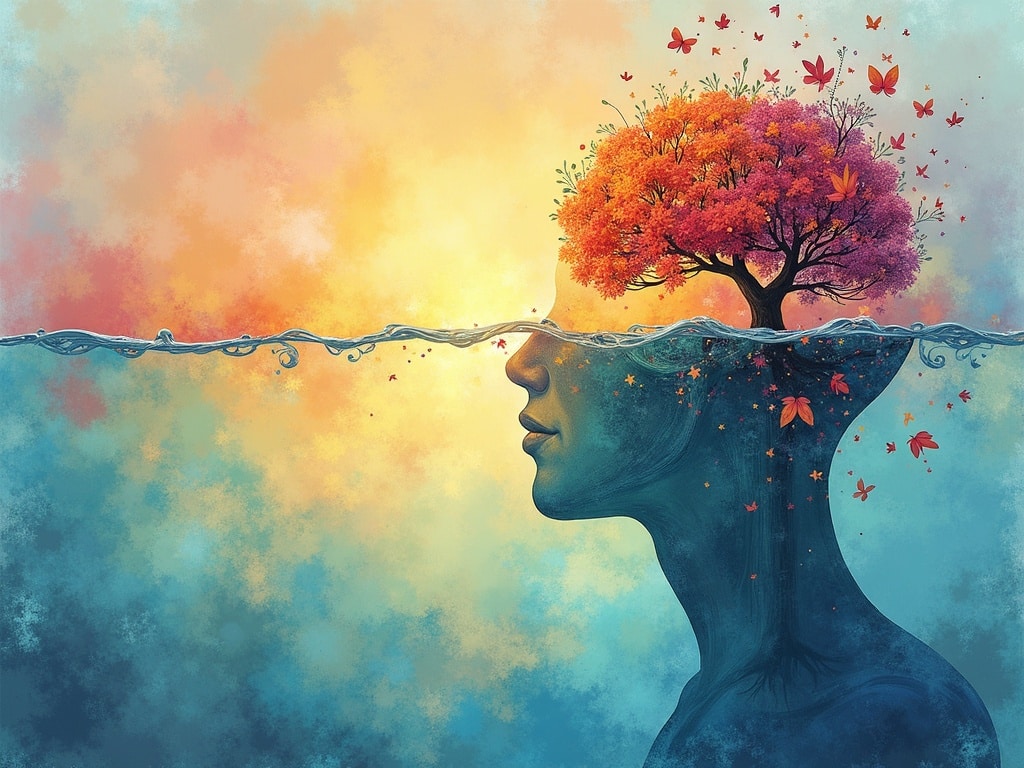
Mindfulness and Relaxation Techniques
Incorporating mindfulness and relaxation techniques into your daily routine can help you calm your mind and reduce stress.
Practice Mindfulness Meditation
Mindfulness meditation involves focusing on the present moment without judgment. It can help you become more aware of your thoughts and feelings, allowing you to respond to stress in a more calm and rational way. Even a few minutes of daily meditation can make a difference.
Deep Breathing Exercises
Deep breathing exercises can help activate the parasympathetic nervous system, which promotes relaxation. Try diaphragmatic breathing, where you focus on breathing deeply into your belly.
Progressive Muscle Relaxation
This technique involves tensing and releasing different muscle groups in your body to promote relaxation. It can help you become more aware of tension in your body and learn how to release it.
Yoga and Tai Chi
These ancient practices combine physical postures, breathing techniques, and meditation to promote relaxation and reduce stress. They can also improve flexibility, balance, and strength.
Herbal Remedies and Supplements
Certain herbs and supplements may help reduce stress and support healthy cortisol levels. Always consult with a healthcare professional before trying any supplements, especially if you have any underlying health conditions or are taking medications.
Ashwagandha
Ashwagandha is an adaptogenic herb that has been used for centuries in Ayurvedic medicine to help the body cope with stress. Studies have shown that it can reduce cortisol levels and improve symptoms of anxiety and depression.
Rhodiola Rosea
Rhodiola rosea is another adaptogenic herb that has been shown to reduce stress, fatigue, and mental exhaustion. It may also improve cognitive function and physical performance.
L-Theanine
L-theanine is an amino acid found in green tea that promotes relaxation without causing drowsiness. It can help reduce anxiety and improve focus.
Magnesium
Magnesium is an essential mineral that plays a role in hundreds of bodily functions, including stress regulation. Studies have shown that magnesium supplementation can reduce anxiety and improve sleep.
The Importance of Social Connection and Support
Humans are social creatures, and connecting with others is essential for our well-being. Strong social connections can provide emotional support, reduce feelings of loneliness and isolation, and help us cope with stress.
Spend Time with Loved Ones
Make time for activities you enjoy with family and friends. Whether it's going for a walk, sharing a meal, or simply chatting on the phone, these connections can help you feel more grounded and supported.
Join a Support Group
If you're struggling with stress or anxiety, consider joining a support group. Talking to others who understand what you're going through can be incredibly helpful.
Seek Professional Help
If you're feeling overwhelmed by stress, don't hesitate to seek professional help. A therapist or counselor can provide you with tools and strategies to manage stress and improve your mental health. You can also find helpful online resources, such as [externalLink insert], to help you on your journey to overcoming stress and anxiety.
Creating a Stress-Reducing Environment
Your physical environment can also impact your stress levels. Creating a calm and organized space can help you feel more relaxed and in control.
Declutter Your Home and Workspace
Clutter can be overwhelming and contribute to feelings of stress. Take some time to declutter your home and workspace, getting rid of anything you don't need or use.
Bring Nature Indoors
Studies have shown that spending time in nature can reduce stress and improve mood. Bring nature indoors by adding plants to your home and workspace.
Create a Relaxing Sanctuary
Designate a space in your home where you can relax and unwind. This could be a cozy reading nook, a meditation corner, or a spa-like bathroom.
Making Sustainable Changes
Reducing stress and managing cortisol levels is an ongoing process. It's important to make sustainable changes that you can incorporate into your daily life.
Start Small
Don't try to make too many changes at once. Start with one or two strategies and gradually add more as you feel comfortable.
Be Patient
It takes time to see results. Be patient with yourself and don't get discouraged if you don't see immediate improvements.
Be Kind to Yourself
Everyone experiences stress from time to time. Be kind to yourself and don't beat yourself up if you have a bad day. The key is to learn from your experiences and keep moving forward.
Conclusion
Stress is an inevitable part of life, but it doesn't have to control you. By incorporating these natural strategies into your daily routine, you can effectively manage stress, keep your cortisol levels in check, and improve your overall well-being. Remember, it's a journey, not a destination. Be patient with yourself, celebrate your progress, and prioritize your mental and physical health. You deserve to live a life free from the burden of chronic stress.