
How to Organize Your Pantry for Health: A Step-by-Step Guide
Imagine opening your pantry and being greeted by an array of healthy, nourishing ingredients, neatly arranged, and readily available for your next culinary adventure. No more digging through stacks of processed snacks or expired cans. Just a mindful, organized space that supports your well-being. Sounds dreamy, right? Organizing your pantry for health isn't just about aesthetics; it's about setting the stage for healthier eating habits, reducing food waste, and saving money. Let's dive into how you can transform your pantry into a haven for healthy living.
Why a Healthy Pantry Matters
Before we get into the nitty-gritty of organizing, let's explore why it's worth the effort. A well-organized pantry can:
- Encourage Healthier Choices: When healthy foods are easily visible and accessible, you're more likely to reach for them.
- Reduce Food Waste: Knowing what you have prevents buying duplicates and allows you to use ingredients before they expire.
- Save Money: By minimizing waste and avoiding impulse purchases, you'll stretch your grocery budget.
- Streamline Meal Prep: A well-organized pantry makes it easier to plan and prepare healthy meals.
- Promote Mindful Eating: A clutter-free space can contribute to a more mindful approach to food and eating.
Step 1: The Great Pantry Purge
The first step is a ruthless decluttering session. Take everything out of your pantry. Yes, everything. This gives you a blank canvas to work with and allows you to assess what you truly have. As you empty the shelves, sort items into these categories:
- Keep: Healthy staples you use regularly.
- Donate: Unopened, non-perishable items you don't need but are still good.
- Toss: Expired, stale, or unwanted items. Be honest with yourself!
Don't skimp on the toss category. Holding onto items just in case leads to clutter and wasted space. Check expiration dates carefully. You might be surprised by what you find lurking in the back corners.
Deep Cleaning is Key
Now that the pantry is empty, it's time for a thorough cleaning. Wipe down shelves with a damp cloth and mild cleaning solution. For sticky spills, a paste of baking soda and water works wonders. Consider using shelf liners for added protection and easier cleaning in the future. You can find inexpensive, non-adhesive liners at most home goods stores.
Step 2: Planning Your Pantry Layout
Before you start putting things back, think about how you want to organize your pantry. Consider these factors:
- Frequency of Use: Place frequently used items at eye level and within easy reach.
- Food Categories: Group similar items together (e.g., grains, canned goods, snacks).
- Family Needs: If you have kids, designate a shelf for their healthy snacks.
- Pantry Size and Shape: Adapt your organization to the specific layout of your pantry. A tall, narrow pantry will require a different strategy than a wide, shallow one.
Sketching a quick plan can be helpful. Think about creating distinct zones within your pantry. Perhaps one zone for breakfast items (oatmeal, granola, nuts), another for lunch/dinner staples (pasta, rice, canned beans, sauces), and another for snacks (dried fruit, healthy bars, popcorn). Also note that canned goods should be stored at cool or room temperatures not over 90°F and away from direct sunlight according to the USDA.
Step 3: Investing in Storage Solutions
The right storage containers can make a world of difference in pantry organization. Here are some options to consider:
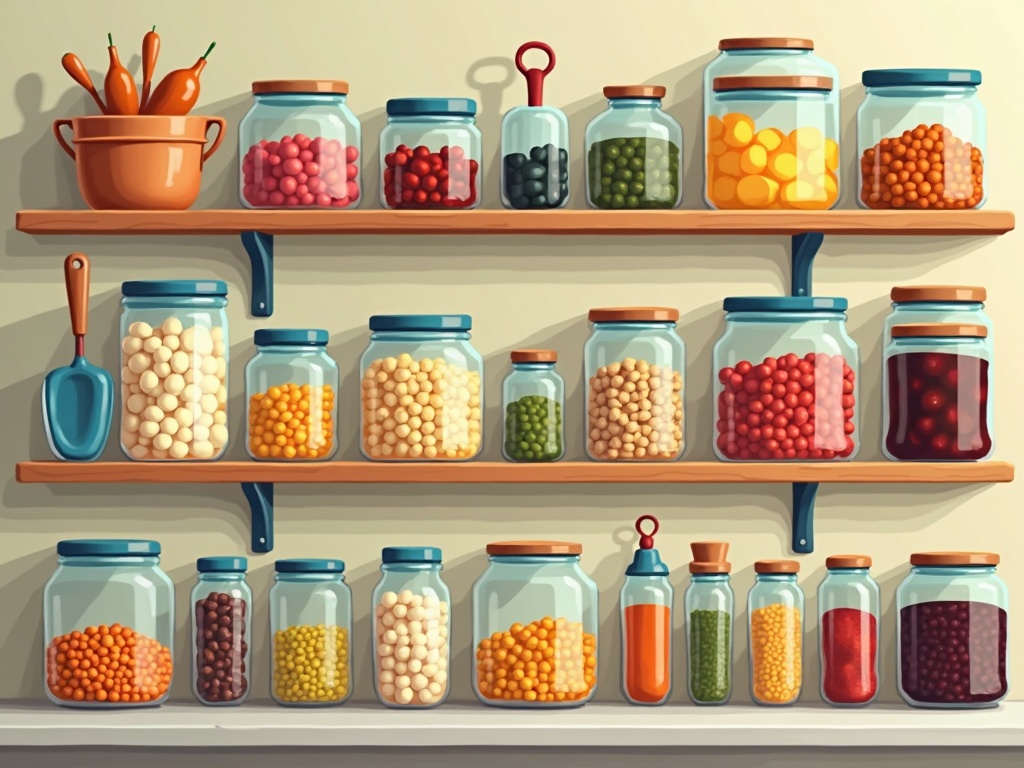
- Clear, Airtight Containers: Ideal for storing grains, cereals, nuts, seeds, and dried fruit. Transparency allows you to easily see what's inside, and airtight seals keep food fresh.
- Baskets: Great for corralling smaller items like snack bars, tea bags, or spice packets.
- Lazy Susans: Perfect for organizing spices, oils, and vinegars, especially in deep pantries. A quick spin brings everything into view.
- Shelf Risers: Create vertical space and prevent items from getting lost in the back of the shelf.
- Can Organizers: Keep canned goods neatly stacked and accessible.
Choose containers that are appropriately sized for your needs and that fit well within your pantry space. Measure your shelves before you buy to ensure a good fit. Consider stackable containers to maximize vertical space. Remember to label everything clearly!
Step 4: Stocking Your Pantry for Health
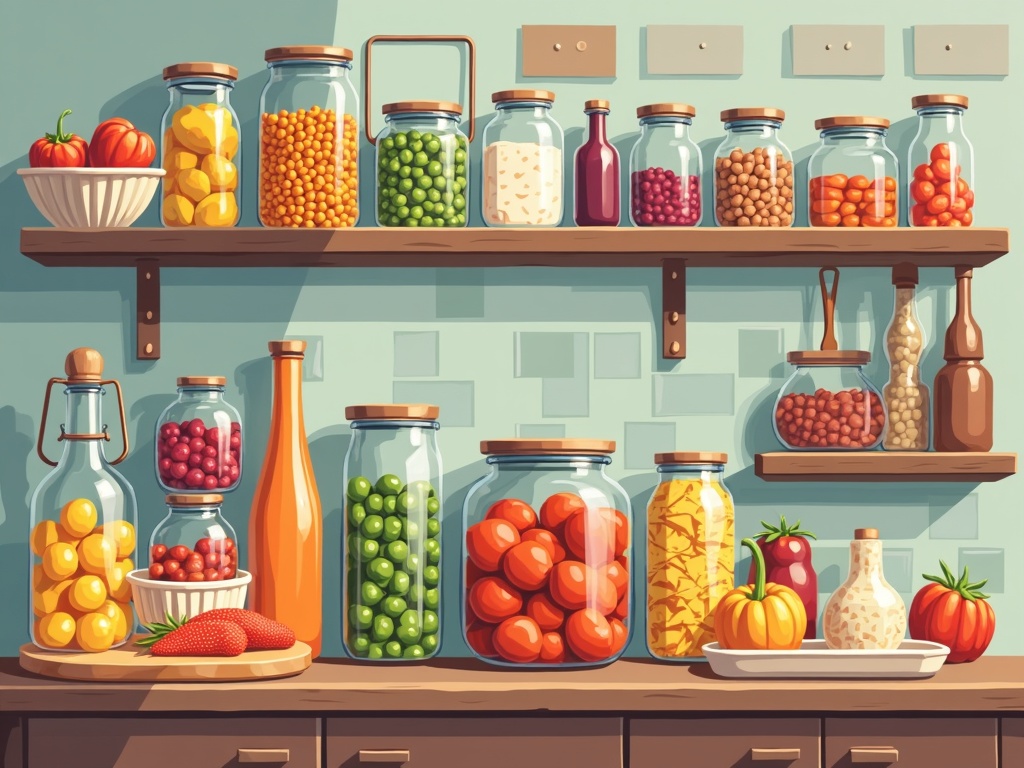
Now for the fun part: filling your organized pantry with healthy essentials. Here's a list of items to consider:
- Whole Grains: Brown rice, quinoa, oats, whole-wheat pasta, barley. These provide fiber, vitamins, and minerals.
- Legumes: Canned or dried beans, lentils, chickpeas. Excellent sources of protein and fiber.
- Nuts and Seeds: Almonds, walnuts, chia seeds, flaxseeds, sunflower seeds. Healthy fats, protein, and fiber.
- Canned Goods: Tomatoes, beans, tuna, salmon (in water or olive oil). Choose low-sodium options whenever possible.
- Dried Fruits: Raisins, cranberries, apricots, dates. Natural sweetness and fiber (use in moderation).
- Healthy Oils: Olive oil, avocado oil, coconut oil.
- Spices and Herbs: Essential for adding flavor to healthy meals without added salt or sugar.
- Vinegars: Balsamic, apple cider, red wine vinegar. Enhance flavor and can be used in salad dressings and marinades.
- Natural Sweeteners: Honey, maple syrup (use sparingly).
- Broths: Chicken, vegetable, or bone broth. Low-sodium options are best.
Think about your favorite healthy recipes and stock your pantry accordingly. Don't forget to include healthy snacks like air-popped popcorn, whole-grain crackers, and unsweetened applesauce.
Smart Shopping Strategies
Maintaining a healthy pantry also involves making smart choices at the grocery store. Here are a few tips:
- Read Labels Carefully: Pay attention to serving sizes, ingredients, and nutritional information.
- Choose Whole, Unprocessed Foods: Focus on foods that are as close to their natural state as possible.
- Buy in Bulk: Save money on staples like grains, nuts, and seeds by buying in bulk.
- Plan Your Meals: Create a meal plan before you go shopping to avoid impulse purchases.
- Stick to Your List: Resist the temptation to buy unhealthy snacks or processed foods.
Step 5: Maintaining Your Organized Pantry
Organization isn't a one-time event; it's an ongoing process. Here are some tips for keeping your pantry in tip-top shape:
- Regularly Check for Expired Items: Make it a habit to scan your pantry every few weeks and discard anything that's past its prime.
- Restock Strategically: When you use an ingredient, add it to your shopping list immediately. This prevents you from running out of essentials.
- Put New Groceries Away Immediately: Don't let groceries pile up on the counter. Put them away as soon as you get home to avoid clutter.
- Wipe Up Spills Right Away: Prevent sticky messes from becoming permanent by cleaning them up immediately.
- Re-evaluate Your System Regularly: As your needs change, adjust your pantry organization accordingly.
Pantry Organization Ideas for Small Spaces
If you have a small pantry, don't despair! You can still create an organized and functional space. Here are some ideas:
- Utilize Vertical Space: Install shelves that reach all the way to the ceiling.
- Use Door Organizers: Hang organizers on the back of the pantry door to store spices, snacks, or cleaning supplies.
- Stackable Containers: Choose containers that stack neatly to maximize space.
- Rolling Carts: A rolling cart can provide extra storage space and can be easily moved around.
- Declutter Regularly: The less you have, the easier it will be to keep your pantry organized. Be even more ruthless about purging items you don't need.
The Mental Benefits of an Organized Pantry
Beyond the practical advantages, organizing your pantry for health has significant mental benefits. A clutter-free space can reduce stress, improve focus, and promote a sense of calm. When you open your pantry and see a well-organized selection of healthy foods, you're more likely to feel inspired and motivated to cook healthy meals. A well-organized pantry is an act of self-care, a commitment to your health and well-being.
So, take the plunge and transform your pantry into a haven of healthy eating. With a little planning, effort, and the right storage solutions, you can create a space that supports your health goals and makes meal prep a breeze. Say goodbye to pantry chaos and hello to a healthier, happier you!