
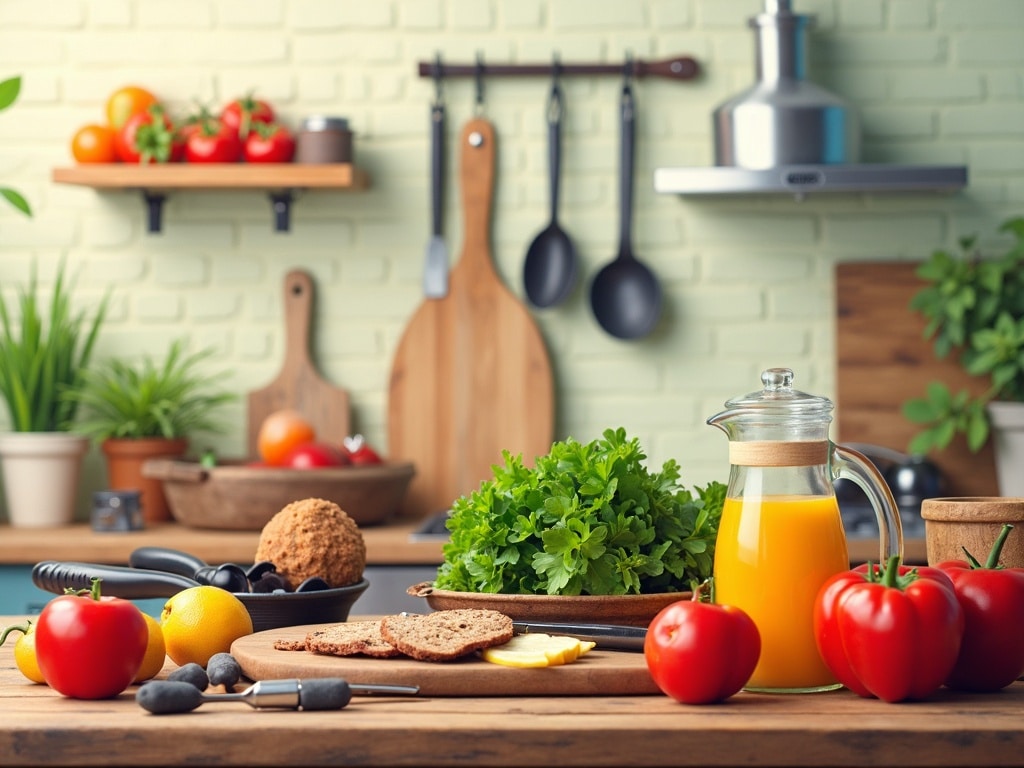
Essential Kitchen Tools for Healthy Cooking
Embarking on a journey toward healthier eating often begins in the heart of the home: the kitchen. But before you can whip up nutritious meals, you need the right tools. Forget the gadgets that promise miraculous results but end up gathering dust in the back of a cabinet. This isn't about fleeting trends; it's about investing in the kitchen essentials that will empower you to create delicious, wholesome meals day after day. These are the workhorses, the trusty sidekicks, and the secret weapons that make healthy cooking not just achievable, but enjoyable.
The Foundational Five: Must-Have Utensils
These aren't flashy, but they're fundamental. Without them, even the simplest healthy recipes become a frustrating endeavor. Think of these as the building blocks of your culinary arsenal.
A Sharp Chef's Knife
A good chef's knife is arguably the most important tool in any kitchen, but especially when focusing on healthy cooking. Why? Because healthy eating often involves a lot of chopping: vegetables, fruits, herbs…a sharp knife makes quick work of these tasks, encouraging you to reach for fresh ingredients. A dull knife is not only inefficient, it's also dangerous. Invest in a quality knife (8-10 inches is a good all-purpose size), learn how to sharpen it properly, and it will last for years.
Cutting Board (Two is Better!)
Don't underestimate the importance of a good cutting board. Ideally, have two: one for raw meats and poultry (to prevent cross-contamination) and another for fruits, vegetables, and cooked foods. Choose materials that are durable, easy to clean, and gentle on your knives. Bamboo, wood, and high-quality plastic boards are all good options. Make sure your cutting board is large enough to provide ample workspace, preventing ingredients from spilling over the sides.
Mixing Bowls (Various Sizes)
From tossing salads to marinating proteins, mixing bowls are indispensable. A set of various sizes allows you to tackle any recipe. Stainless steel bowls are durable, easy to clean, and won't react with acidic foods. Glass bowls are also a good option, as they allow you to see the contents clearly. Look for bowls with a non-slip base to prevent them from sliding around on the countertop.
Measuring Cups and Spoons
Accuracy is key in healthy cooking, especially when baking or following recipes that rely on specific ingredient ratios. A set of dry measuring cups and liquid measuring cups is essential, as is a set of measuring spoons. Opt for stainless steel or sturdy plastic that won't bend or break easily. Consider nesting sets for compact storage.
A Reliable Colander
Rinsing vegetables, draining pasta, and sprouting beans all require a good colander. Look for one with a sturdy base that won't tip over easily. Stainless steel is a durable and hygienic option. Choose a size that's large enough to accommodate a substantial amount of food, but not so large that it's difficult to store.
Steaming, Sautéing, and Sizzling: Cookware Essentials
The right cookware can make all the difference in achieving healthy and delicious results. These are the pans and pots you'll reach for day in and day out.
A Non-Stick Skillet (High-Quality)
A good non-stick skillet is a must-have for cooking eggs, delicate fish, or anything that tends to stick. However, not all non-stick skillets are created equal. Avoid those made with PFOA (perfluorooctanoic acid), a potentially harmful chemical. Look for skillets with a ceramic or PTFE-free non-stick coating. Even with a non-stick skillet, it's important to use a little bit of healthy oil or cooking spray to prevent food from sticking and to ensure even cooking.
A Stainless Steel Skillet
While non-stick is useful, stainless steel skillets are workhorses for searing, browning, and sautéing. They stand up to high heat beautifully, which is key for developing flavor. Choose a skillet with a heavy bottom to ensure even heat distribution and prevent hot spots. Stainless steel is also incredibly durable and easy to clean, making it a long-lasting investment.
A Stockpot or Dutch Oven
For soups, stews, chili, and homemade bone broth, a stockpot or Dutch oven is essential. A large capacity allows you to make big batches of healthy meals that you can enjoy throughout the week. A Dutch oven, with its heavy, cast iron construction, is particularly versatile as it can be used on the stovetop and in the oven. Look for one with an enamel coating for easy cleaning.
A Steamer Basket or Steamer
Steaming is a gentle cooking method that preserves nutrients and requires no added fat. A steamer basket that fits inside a saucepan is a simple and affordable option. Alternatively, you can invest in a dedicated steamer. Steamed vegetables are a healthy and delicious side dish, and steaming is also a great way to cook fish and poultry.
From Prep to Plate: Tools for Efficiency and Flavor
These tools might not be strictly essential, but they'll significantly enhance your healthy cooking experience, making it easier to create flavorful and exciting meals.
A Salad Spinner
Nobody enjoys a soggy salad. A salad spinner quickly and efficiently removes excess water from leafy greens, ensuring that your salads are crisp and refreshing. Plus, dry greens hold dressing better, resulting in a more flavorful salad.
A Vegetable Peeler
Peeling vegetables can be tedious, but a good vegetable peeler makes the task quick and easy. Look for one with a comfortable grip and a sharp blade. A swivel peeler is a good all-purpose option, while a Y-peeler is ideal for tougher-skinned vegetables. Consider a peeler with a built-in julienne blade for creating vegetable noodles or garnishes.
A Garlic Press
Minced garlic adds flavor to countless healthy dishes. A garlic press makes quick work of mincing garlic, eliminating the need for tedious chopping. Look for one that's easy to clean. Some models come with a built-in cleaning tool.
A Microplane Grater
For zesting citrus fruits, grating ginger, or finely grating hard cheeses, a microplane grater is invaluable. It creates a fine, fluffy texture that adds intense flavor to dishes. Use it to add a burst of citrus zest to salads, marinades, or baked goods.
Citrus Juicer
Freshly squeezed citrus juice is a cornerstone of healthy cooking, adding brightness and acidity to countless recipes. A dedicated citrus juicer, whether handheld or electric, makes extracting juice quick and efficient. Look for one that effectively separates the juice from the pulp and seeds. Fresh lemon or lime juice can transform simple dishes, like grilled fish or roasted vegetables, elevating their flavor profile.
Food Processor or Blender
While these are larger investments, a food processor or blender opens up a world of healthy cooking possibilities. Use a food processor to chop vegetables, make dips and sauces, or knead dough for homemade bread. A blender is ideal for smoothies, soups, and sauces. Consider a blender with a high-speed motor for making creamy and smooth results.
Storage Solutions: Keeping Food Fresh and Organized
Healthy cooking isn't just about the preparation and cooking; it's also about storing your ingredients and leftovers properly to maintain freshness and prevent food waste.
Airtight Containers
Invest in a set of airtight containers in various sizes. These are essential for storing leftovers, batch-cooked meals, and prepped ingredients. Choose containers made from glass or BPA-free plastic. Clear containers allow you to easily see what's inside, reducing the likelihood of forgotten leftovers lurking in the back of the refrigerator.
Reusable Food Storage Bags
Reduce your reliance on single-use plastic bags with reusable food storage bags. These are ideal for storing snacks, sandwiches, and pre-cut vegetables. Look for bags made from silicone or other durable, food-safe materials.
Produce Storage Containers
Some produce items, like berries and herbs, benefit from specialized storage containers that help regulate humidity and prevent them from spoiling quickly. These containers can significantly extend the shelf life of your fresh produce, reducing food waste and saving you money.
Beyond the Basics: Nice-to-Have Gadgets
These aren't essential, but they can certainly make healthy cooking easier and more enjoyable
Spiralizer
Transform vegetables like zucchini, carrots, and sweet potatoes into noodles for a low-carb, gluten-free alternative to pasta.
Air Fryer
Achieve crispy, fried-like results with minimal oil. Great for vegetables, chicken, and even desserts.
Instant Pot
A multi-functional pressure cooker that can cook food quickly and efficiently, saving you time and energy.
Maintaining Your Investment: Care and Cleaning
To ensure your kitchen tools last for years to come, proper care and cleaning are essential.
- Wash knives by hand: Dishwashers can dull knife blades. Wash them with soap and water immediately after use and dry them thoroughly.
- Clean cutting boards thoroughly: Scrub cutting boards with hot, soapy water after each use. Sanitize them periodically with a diluted bleach solution.
- Follow manufacturer's instructions: Refer to the manufacturer's instructions for cleaning and maintaining your cookware and appliances.
- Store tools properly: Store knives in a knife block or on a magnetic strip to protect the blades. Hang pots and pans or store them in a way that prevents them from scratching each other.
Equipping your kitchen with the right tools is an investment in your health and well-being. By choosing quality tools and taking care of them properly, you'll create a space that inspires you to cook delicious, healthy meals for yourself and your loved ones. It's about more than just having the right equipment; it's about creating an environment where healthy cooking becomes a joy, not a chore.