

Is Your Gut Crying Out for Help? Unveiling the Signs of an Unhealthy Gut
Imagine your gut as a bustling metropolis, a vibrant ecosystem teeming with trillions of bacteria, both good and bad. When this intricate system is balanced, digestion hums along smoothly, immunity is strong, and even your mood is buoyant. But when the balance tips, and the bad guys start to outnumber the good guys, chaos ensues. This imbalance, often referred to as gut dysbiosis, can manifest in a surprising array of symptoms, some seemingly unrelated to digestion. Are you experiencing any of these subtle signals? Your gut might be trying to tell you something.
Decoding the Digestive Distress Signals
The most obvious signs of an unhealthy gut are, of course, related to digestion. But even these can present in ways you might not immediately connect to your gut health.
Persistent Bloating, Gas, and Abdominal Discomfort
Occasional bloating after a large meal is normal. But if you're constantly feeling bloated, gassy, or experiencing abdominal pain, even after eating relatively small or safe meals, it's a red flag. This could indicate an overgrowth of bacteria in the small intestine (SIBO) or an imbalance in the gut microbiome, leading to increased gas production and inflammation.
Irregular Bowel Movements: Constipation or Diarrhea
Consistency is key when it comes to bowel movements. Chronic constipation or frequent bouts of diarrhea, especially if they alternate, can be a significant indicator of gut dysfunction. These irregularities can stem from a lack of beneficial bacteria needed for proper digestion and waste elimination, or from inflammation irritating the intestinal lining.
Food Sensitivities and Intolerances
Do certain foods suddenly seem to trigger digestive upset, even if you've happily eaten them for years? An unhealthy gut can lead to increased intestinal permeability, often called leaky gut. This allows undigested food particles and toxins to enter the bloodstream, triggering an immune response and contributing to food sensitivities. Lactose intolerance, gluten sensitivity, and reactions to histamine-rich foods can all be exacerbated by gut dysbiosis.
Beyond Digestion: Unexpected Signs of Gut Imbalance
The gut's influence extends far beyond the digestive tract. Because the gut is so closely linked to the immune system, brain, and even the skin, problems in your gut can pop up in unexpected ways.
Skin Problems: Eczema, Acne, and Rashes
The gut and skin are intimately connected through what's known as the gut-skin axis. An unhealthy gut can trigger inflammation throughout the body, which can manifest as skin problems like eczema, acne, psoriasis, and unexplained rashes. The imbalance of bacteria in the gut can also affect the skin's microbiome, further contributing to these issues.
Mood Swings, Anxiety, and Depression
Believe it or not, your gut plays a significant role in your mental well-being. The gut is often called the second brain because it produces many of the same neurotransmitters as the brain, including serotonin, dopamine, and GABA, which regulate mood. An unhealthy gut can disrupt the production and balance of these neurotransmitters, leading to mood swings, anxiety, depression, and even brain fog.
Unexplained Fatigue and Low Energy
Feeling tired all the time, even after getting enough sleep? An unhealthy gut can impair nutrient absorption, leading to deficiencies in essential vitamins and minerals like iron, vitamin B12, and magnesium, all of which are crucial for energy production. Additionally, chronic inflammation caused by gut dysbiosis can drain your energy levels.
Weight Fluctuations: Unintentional Weight Gain or Loss
An unhealthy gut can interfere with your body's ability to regulate blood sugar, absorb nutrients, and metabolize fat, leading to unexplained weight gain or loss. Gut dysbiosis can also affect hormones that regulate appetite, potentially contributing to increased cravings and overeating. Some research even suggests that certain types of gut bacteria can influence how many calories you absorb from food.
Autoimmune Conditions
The gut plays a critical role in regulating the immune system. A leaky gut can trigger an autoimmune response, where the body mistakenly attacks its own tissues. While not the sole cause, gut dysbiosis is often implicated in autoimmune conditions such as rheumatoid arthritis, lupus, Hashimoto's thyroiditis, and multiple sclerosis. 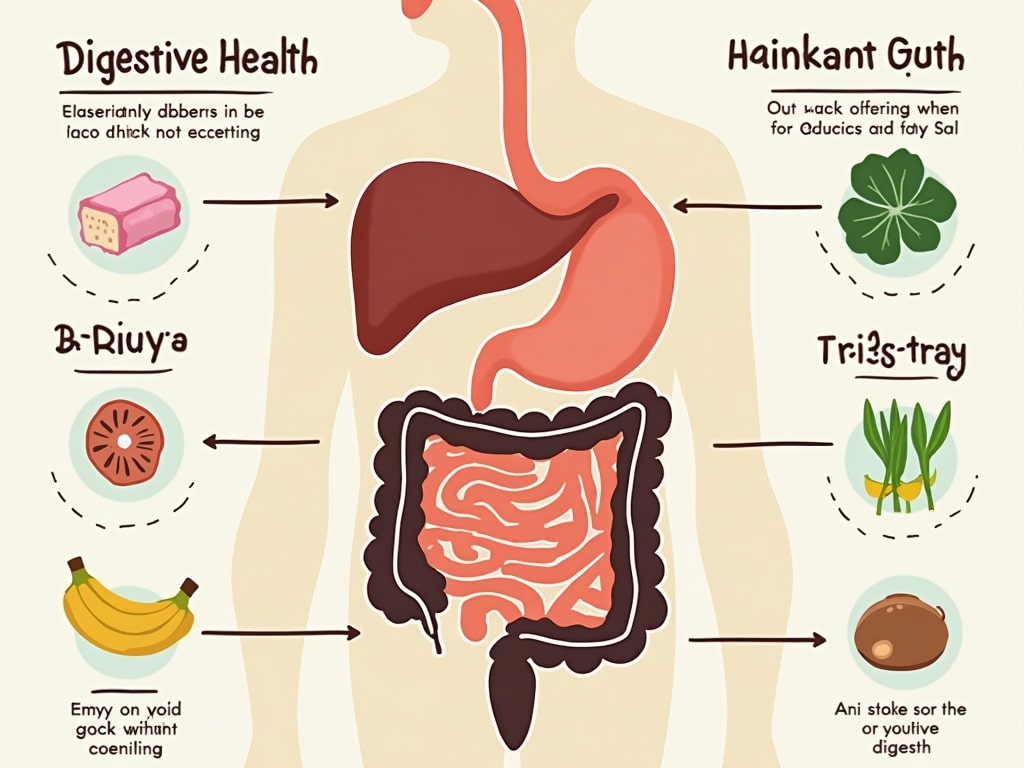
Digging Deeper: Identifying the Root Causes
Once you've identified potential signs of an unhealthy gut, it's important to understand the common culprits that disrupt the delicate balance of your gut microbiome. These include:
- Processed Foods: High in sugar, unhealthy fats, and artificial additives, processed foods can fuel the growth of harmful bacteria and contribute to inflammation.
- Antibiotics: While essential for treating bacterial infections, antibiotics can indiscriminately kill both good and bad bacteria in the gut, leading to dysbiosis.
- Chronic Stress: Stress has a profound impact on the gut microbiome, altering its composition and increasing intestinal permeability.
- Lack of Fiber: Fiber is essential for feeding beneficial bacteria in the gut and promoting healthy bowel movements.
- Certain Medications: Besides antibiotics, other medications, such as NSAIDs and acid-reducing drugs, can negatively impact gut health.
Reclaiming Your Gut Health: A Path to Healing
The good news is that you can take steps to restore the health of your gut and alleviate your symptoms. This often involves a multi-faceted approach that addresses both diet and lifestyle.
Dietary Strategies for Gut Healing
What you eat has a direct and profound impact on your gut microbiome. Focus on incorporating these gut-friendly foods into your diet:
- Probiotic-Rich Foods: Yogurt (with live and active cultures), kefir, sauerkraut, kimchi, and kombucha contain beneficial bacteria that can help repopulate your gut.
- Prebiotic-Rich Foods: Onions, garlic, leeks, asparagus, bananas, and oats contain prebiotics, which act as food for your good gut bacteria.
- Fiber-Rich Foods: Fruits, vegetables, whole grains, and legumes provide essential fiber for digestive health.
- Anti-Inflammatory Foods: Fatty fish, olive oil, nuts, seeds, and berries contain anti-inflammatory compounds that can help reduce gut inflammation.
Conversely, limit or avoid foods that can damage your gut, such as processed foods, sugary drinks, and excessive alcohol.
Lifestyle Changes to Support Gut Health
Beyond diet, certain lifestyle modifications can significantly improve your gut health.
- Manage Stress: Practice stress-reducing techniques such as meditation, yoga, deep breathing exercises, or spending time in nature.
- Get Enough Sleep: Aim for 7-8 hours of quality sleep per night, as sleep deprivation can negatively impact the gut microbiome.
- Stay Hydrated: Drink plenty of water throughout the day to support healthy digestion and bowel movements.
- Exercise Regularly: Physical activity can improve gut motility and reduce inflammation.
Supplements for Gut Support
In some cases, supplements can be helpful in restoring gut health. However, it's important to consult with a healthcare professional before starting any new supplements.
- Probiotics: High-quality probiotic supplements can help repopulate the gut with beneficial bacteria. Look for a variety of strains and a high CFU (colony-forming units) count.
- L-Glutamine: This amino acid can help repair and strengthen the intestinal lining.
- Digestive Enzymes: Digestive enzymes can aid in the breakdown of food, reducing digestive discomfort.
When to Seek Professional Guidance
While many gut issues can be addressed with dietary and lifestyle changes, it's important to seek professional help if your symptoms are severe, persistent, or accompanied by other concerning symptoms such as:
- Unexplained weight loss
- Blood in your stool
- Severe abdominal pain
- Persistent vomiting
- Changes in bowel habits that last for more than two weeks
A healthcare professional can help you determine the underlying cause of your gut problems and recommend appropriate treatment options. They may also suggest diagnostic tests, such as stool analysis or endoscopy, to further evaluate your gut health. You can click here [externalLink insert] to find a provider.
Listen to Your Gut: A Path to Holistic Well-being
Your gut is a vital organ system that plays a crucial role in your overall health. By paying attention to the signs of an unhealthy gut and taking proactive steps to restore its balance, you can improve your digestion, boost your immunity, enhance your mood, and reclaim your well-being. So, listen to your gut – it's trying to tell you something important.