
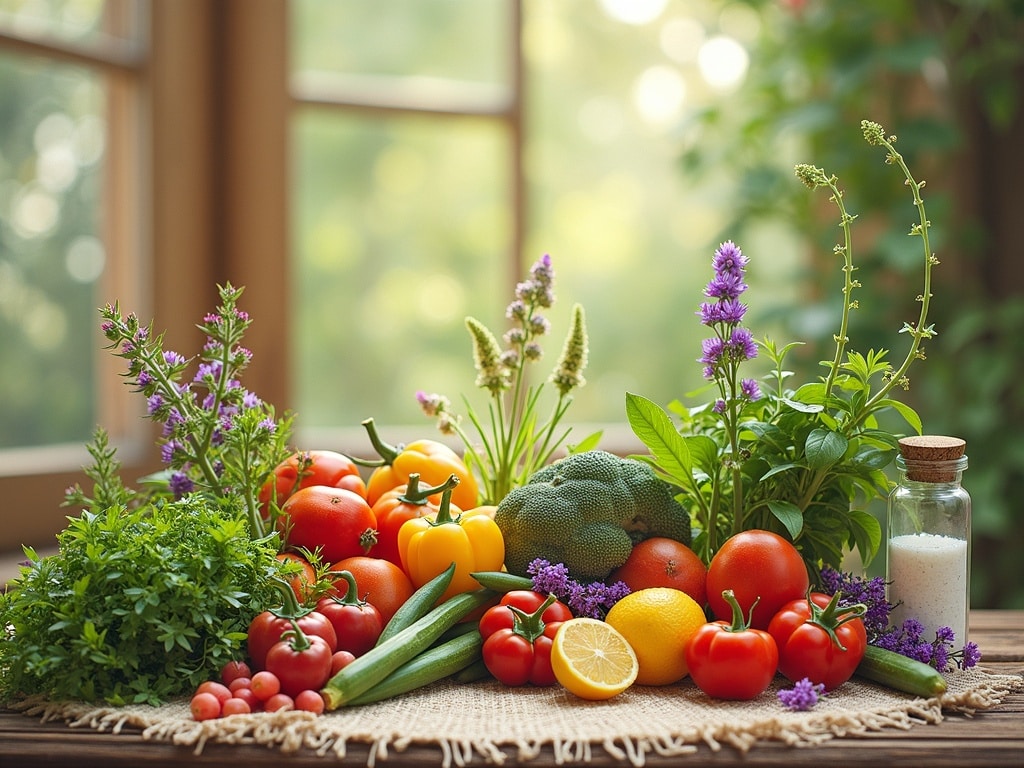
Spice Up Your Life: The Art of Using Herbs Instead of Salt
Imagine a world where your taste buds dance with delight, not from a sodium overload, but from the vibrant symphony of herbs. For centuries, cultures around the globe have harnessed the power of nature's pantry to elevate their culinary creations. Now, more than ever, as we become increasingly aware of the health implications of excessive salt intake, the art of using herbs instead of salt is experiencing a delicious renaissance.
The Salt Story: A Necessary Evil?
Salt, or sodium chloride, plays a crucial role in bodily functions. It helps regulate fluid balance, nerve function, and muscle contractions. However, in the modern diet, salt is often lurking in unexpected places – processed foods, sauces, and even baked goods. This overabundance can lead to high blood pressure, heart disease, and other health issues. The American Heart Association recommends no more than 2,300 milligrams of sodium per day for most adults, with an ideal limit of no more than 1,500 mg per day for those with high blood pressure. Are you unknowingly exceeding this limit? Let's explore how herbs can help you reclaim control over your sodium intake and enhance your meals in the process.
Why Choose Herbs? A Flavorful Path to Wellness
Think of herbs as little green powerhouses, bursting with flavor and a wealth of health benefits. They offer a complex tapestry of tastes that salt simply can't replicate. Moreover, many herbs are packed with antioxidants, vitamins, and minerals that contribute to overall well-being. Incorporating herbs into your cooking is not just about reducing salt; it’s about embracing a holistic approach to health and flavor.
The Herb Garden Starter Pack: Your Flavor Allies
Embarking on your herbal adventure can feel overwhelming with so many choices. Here's a curated selection of versatile herbs that are easy to use and widely available:
- Basil: Sweet and peppery with a hint of anise, basil is a perfect partner for tomatoes, pasta, and salads. Try it in pesto, Caprese salads, or sprinkled over pizza.
- Oregano: Robust and earthy, oregano is a staple in Mediterranean and Mexican cuisine. Use it in sauces, stews, and grilled meats.
- Rosemary: Aromatic and piney, rosemary adds depth to roasted meats, potatoes, and breads. A sprig of rosemary infuses olive oil with a delightful fragrance.
- Thyme: Delicate and slightly lemony, thyme is a versatile herb that complements poultry, vegetables, and soups. Its small leaves blend seamlessly into dishes.
- Parsley: Fresh and clean, parsley is a workhorse herb used as both a garnish and a flavor enhancer. It comes in two main varieties: flat-leaf (Italian) and curly.
- Chives: Mildly oniony, chives add a subtle zest to salads, dips, and egg dishes. Their delicate flavor is best enjoyed fresh.
- Mint: Refreshing and cooling, mint is a delightful addition to teas, desserts, and salads. It pairs beautifully with fruits and chocolate.
Fresh vs. Dried: Understanding the Herb Dynamic
Both fresh and dried herbs have their place in the kitchen, but they differ in potency and application. Fresh herbs offer a vibrant, bright flavor, while dried herbs have a more concentrated, intense taste.
Fresh Herbs:
- Best used towards the end of cooking to preserve their delicate flavor.
- Require more volume than dried herbs (a general rule is to use three times the amount of fresh herbs as dried).
- Ideally stored in the refrigerator, wrapped in a damp paper towel or with stems submerged in water.
Dried Herbs:
- Release their flavor more gradually and can be added earlier in the cooking process.
- Should be stored in airtight containers in a cool, dark place.
- Remember to crush dried herbs before adding them to your dishes to release their aroma.
Herb Combinations: Creating Flavor Harmony
Like a skilled musician composing a symphony, you can blend different herbs to create harmonious flavor profiles. Here are a few classic combinations to inspire you:
- Herbes de Provence: A blend of thyme, rosemary, savory, oregano, and lavender, perfect for Mediterranean dishes.
- Italian Seasoning: A combination of basil, oregano, rosemary, thyme, and marjoram, ideal for pasta sauces and pizzas.
- Fines Herbes: A delicate blend of parsley, chives, tarragon, and chervil, often used in French cuisine for egg dishes and salads.
Beyond the Basics: Exploring Less Common Herbs
Once you've mastered the classics, venture into the realm of less common herbs to broaden your culinary horizons:
- Tarragon: Anise-flavored herb that adds a touch of elegance to sauces and egg dishes.
- Savory: Peppery herb with two main types: summer savory (more delicate) and winter savory (more robust).
- Marjoram: Sweet and floral herb closely related to oregano.
- Cilantro: Bright and citrusy herb widely used in Mexican and Asian cuisine.
- Dill: Delicate and slightly tangy herb that pairs well with fish, potatoes, and cucumbers.
Techniques for Maximizing Herb Flavor
To fully unlock the flavor potential of herbs, consider these techniques:
- Blooming Herbs in Oil: Gently sautéing herbs in oil before adding other ingredients releases their aromatic oils and infuses the oil with flavor.
- Herb Infusions: Steep herbs in hot water or oil to extract their flavor. This is a great way to make herbal teas, vinegars, or infused oils.
- Herb Butters: Combine softened butter with chopped herbs and seasonings for a flavorful spread or topping.
- Herb Salts and Sugars: Grind dried herbs with salt or sugar to create flavorful seasonings for savory or sweet dishes.
- Herb Vinegars: Infuse vinegar with herbs to create flavorful dressings and marinades.
Salt-Free Cooking: Practical Tips and Tricks
Transitioning to a salt-free or low-salt diet can seem daunting, but with a little creativity and planning, it can be a flavorful and rewarding experience. Here are some practical tips to help you on your journey:
- Read Labels Carefully: Be aware of the sodium content in processed foods, sauces, and condiments. Choose low-sodium or no-salt-added options whenever possible.
- Cook from Scratch: Preparing your own meals allows you to control the amount of salt and other ingredients.
- Experiment with Acid: A squeeze of lemon juice, lime juice, or vinegar can brighten flavors and reduce the need for salt.
- Embrace Umami: Ingredients like mushrooms, tomatoes, and seaweed are naturally rich in umami, a savory flavor that can enhance the taste of your dishes.
- Use Garlic and Onions: These aromatic vegetables add depth and complexity to flavors. Roasting them brings out their natural sweetness.
- Add a Touch of Heat: Chili peppers, ginger, and other spices can stimulate your taste buds and distract from the lack of salt.
- Don't Forget the Fat: A touch of healthy fat, like olive oil or avocado, can enhance flavors and add richness to your dishes.
Sample Recipes: Herb-Infused Delights
Ready to put your newfound knowledge into practice? Here are a couple of simple recipes to get you started:
Herb-Roasted Chicken:
Ingredients:
- 1 whole chicken (about 3-4 pounds)
- 2 tablespoons olive oil
- 2 cloves garlic, minced
- 2 tablespoons chopped fresh rosemary
- 2 tablespoons chopped fresh thyme
- 1 tablespoon chopped fresh parsley
- 1 lemon, quartered
- Freshly ground black pepper to taste
Instructions:
- Preheat oven to 400°F (200°C).
- In a small bowl, combine olive oil, garlic, rosemary, thyme, and parsley.
- Rub the herb mixture all over the chicken.
- Place the lemon quarters inside the chicken cavity.
- Season with freshly ground black pepper.
- Roast for 1 hour and 15 minutes, or until the internal temperature reaches 165°F (74°C).
- Let rest for 10 minutes before carving and serving.
Herb and Tomato Salad:
Ingredients:
- 2 cups chopped tomatoes
- 1/2 cup chopped fresh basil
- 1/4 cup chopped fresh chives
- 2 tablespoons olive oil
- 1 tablespoon balsamic vinegar
- Freshly ground black pepper to taste
Instructions:
- In a bowl, combine tomatoes, basil, and chives.
- Drizzle with olive oil and balsamic vinegar.
- Season with freshly ground black pepper.
- Toss gently to combine.
- Serve immediately or chill for later.
The Herb Garden: A Sustainable Flavor Source
For the ultimate flavor experience, consider growing your own herbs. A small herb garden, whether in pots on a balcony or a dedicated garden bed, provides a constant supply of fresh herbs and connects you to the source of your culinary inspiration.
Conclusion: A Flavorful Journey to Health
Reducing salt intake doesn't have to mean sacrificing flavor. By embracing the power of herbs, you can transform your meals into vibrant, delicious, and health-promoting experiences. So, ditch the salt shaker and embark on a flavorful adventure. Your taste buds – and your body – will thank you for it. Start small, experiment boldly, and discover the magic that herbs can bring to your kitchen and your life. Are you ready to unlock a world of flavor?