

We all know water is super important for, like, staying alive and feeling good. But what happens when you take that ‘drink more water' advice a little too seriously? It turns out, chugging gallons might not be the best idea. Let's talk about the effects of drinking too much water and what you should actually be looking out for.
Key Takeaways
- Your pee color is a clue; if it's consistently clear, you might be overdoing it.
- Frequent trips to the bathroom that disrupt your day could signal too much fluid intake.
- Feeling bloated or a bit sick to your stomach might mean your kidneys are struggling to keep up.
- Headaches and that foggy feeling could be your brain reacting to diluted sodium levels.
- While rare, severe overhydration can lead to a serious condition called hyponatremia, so it's good to be aware.
Recognizing When You've Had Enough
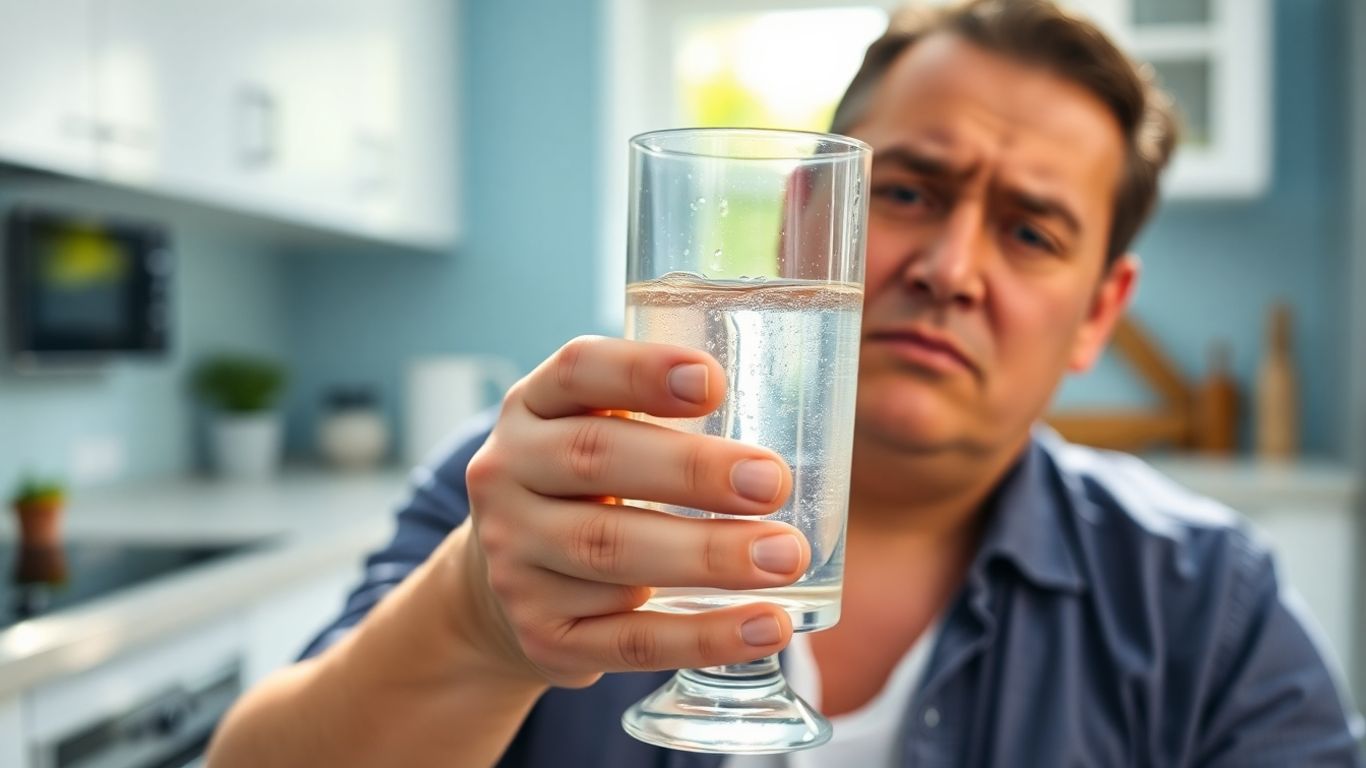
Sometimes, our bodies are pretty good at telling us when we've had enough to drink. It's not always about feeling super thirsty or not. There are some subtle clues that can pop up if you're just chugging water without really paying attention.
Your Pee Is Almost Clear
Okay, let's talk pee color. It's a surprisingly good indicator of your hydration status. When you're perfectly hydrated, your urine usually has a pale yellow tint. This is thanks to a pigment called urochrome, and it means your body is processing fluids just right. But if you notice your pee is consistently clear, like, almost colorless, it might be a sign you're overdoing it on the water intake. It's like your body is saying, ‘Whoa there, we've got plenty of fluid right now!' Just a heads-up, though: some vitamins, especially B vitamins, can make your pee a brighter color, so this isn't a foolproof method on its own.
Frequent Bathroom Trips
If you find yourself making more trips to the restroom than usual, it could be another sign you're drinking a bit too much. While a few extra bathroom breaks might not seem like a big deal – hey, it's a chance to stretch your legs! – if it starts to disrupt your day or work, it's worth considering your fluid intake. Most people pee about 6 to 8 times a day, and up to 10 isn't totally out of the ordinary if you're really focused on staying hydrated. But if it's significantly more than that, and your urine is clear, it's a signal to ease up a little.
Feeling Bloated or Nauseous
Ever feel that uncomfortable, puffy sensation in your stomach after drinking a lot of water? That could be your body telling you it's had enough. Your kidneys can only process so much water per hour, around 800 to 1,000 milliliters. If you drink more than that, your body can get a bit waterlogged. When this happens, your cells might swell slightly to accommodate the extra fluid, leading to that bloated feeling. Sometimes, just having a stomach full of water can also make you feel a bit queasy. So, if the thought of drinking more water makes your stomach churn, it's probably a good time to pause.
Subtle Signs of Overhydration
While it's great to stay hydrated, sometimes we can go a little overboard. It's not always obvious when you've had too much water, but your body does give you some hints. Paying attention to these subtle signals can help you find that sweet spot for hydration.
Headaches and Brain Fog
Ever feel like your head is a bit fuzzy or you've got a dull ache behind your eyes? It might be more than just a long day. When you drink way too much water, your body can become a bit waterlogged. This can actually dilute the sodium levels in your blood. Since your brain doesn't have much room to expand, even a small amount of swelling due to lower sodium can cause pressure. This pressure is often what leads to those annoying headaches and that feeling of mental fogginess. It's like your brain is saying, ‘Whoa, too much of a good thing here!'
Changes in Mental Clarity
Following on from the brain fog, you might notice your thinking isn't as sharp as usual. This isn't just about feeling tired; it's about your cognitive functions taking a slight hit. When your body's electrolyte balance is off because of too much water, it can affect how well your brain cells communicate. This can make it harder to concentrate, remember things, or even make simple decisions. It’s a good reminder that balance is key, even with something as simple as water.
Feeling Unusually Tired
Feeling a bit sluggish after chugging a lot of water? That's another sign your body might be working overtime to process all that fluid. When your kidneys are overwhelmed trying to get rid of excess water, it can throw your whole system off balance. This can manifest as a general feeling of fatigue or low energy, even if you've had plenty of sleep. It's your body's way of signaling that it's struggling to keep everything in check.
When to Be Extra Mindful
While staying hydrated is super important, it's also good to know when to pay a little extra attention to how much water you're actually drinking. Our bodies are pretty smart, but sometimes we need to give them a little nudge to listen to their signals.
Understanding Your Body's Needs
Think of your body like a finely tuned instrument. It tells you when it needs more water, but it also signals when it's had enough. Factors like the weather, your activity level, and even your general health can change how much fluid you need on any given day. For instance, if it's really hot or you've been sweating a lot, your water needs will naturally go up. It's all about being aware of these external influences and how they might affect your internal hydration balance. Paying attention to these cues helps you stay in that sweet spot of being perfectly hydrated.
The Role of Electrolytes
Water is amazing, but it's not the only thing your body needs to function optimally. Electrolytes, like sodium and potassium, are super important too. They help keep your body's fluid balance in check and are vital for nerve and muscle function. When you drink a lot of water, especially without replacing electrolytes, you can dilute their concentration in your body. This is why athletes often drink sports drinks – they help replenish lost electrolytes. For everyday folks, getting electrolytes from food is usually enough, but it's something to keep in mind if you're doing intense exercise or spending a lot of time in the heat. It's not just about the quantity of water, but also about maintaining that electrolyte balance.
Special Considerations for Health Conditions
Some health conditions mean you need to be extra careful about your water intake. For example, if you have kidney disease or heart failure, your body might not be able to process fluids as efficiently. In these cases, drinking too much water could actually cause problems like swelling or high blood pressure. It's always a good idea to chat with your doctor about how much water is right for you, especially if you have any ongoing health issues. They can give you personalized advice to make sure you're staying hydrated in the safest way possible. Remember, what works for one person might not be the best for another, so knowing your own health status is key. If you're ever concerned about your hydration levels or experiencing unusual symptoms after drinking water, it's always best to seek professional advice. You can find more information about the risks of drinking too much water here.
Balancing Hydration for Optimal Health
It's easy to get caught up in the idea that more water is always better, but finding that sweet spot is key. Listening to your body's cues is the most important thing you can do. Think of it like this: your body is pretty smart and usually tells you what it needs if you just pay attention.
Listening to Your Body's Cues
This is all about tuning into those subtle signals. Are you feeling thirsty? That's your body's primary way of saying, "Hey, I need some fluids!" Don't ignore it. Also, keep an eye on your urine color – a pale yellow is generally a good sign you're well-hydrated. If it's darker, it's time to drink up. If it's completely clear, you might be overdoing it a bit.
Hydration Beyond Just Water
Remember, water isn't the only way to stay hydrated. Many foods have a high water content, like fruits (think watermelon and oranges) and vegetables (hello, cucumber and celery!). Soups and smoothies also contribute to your daily fluid intake. So, even if you're not chugging plain water all day, you're likely getting fluids from other sources too. It's about your total fluid intake, not just the water bottle.
Adjusting Intake Based on Activity
Your hydration needs change depending on what you're doing. If you're out in the heat, exercising intensely, or even just spending a lot of time in dry air, you'll need more fluids than usual. For example, if you do a long, tough workout, you can estimate your fluid loss by weighing yourself before and after. For every pound you lose, aim to drink about two cups of fluid over the next few hours. It’s all about adapting to your daily demands.
The Surprising Effects of Too Much Water
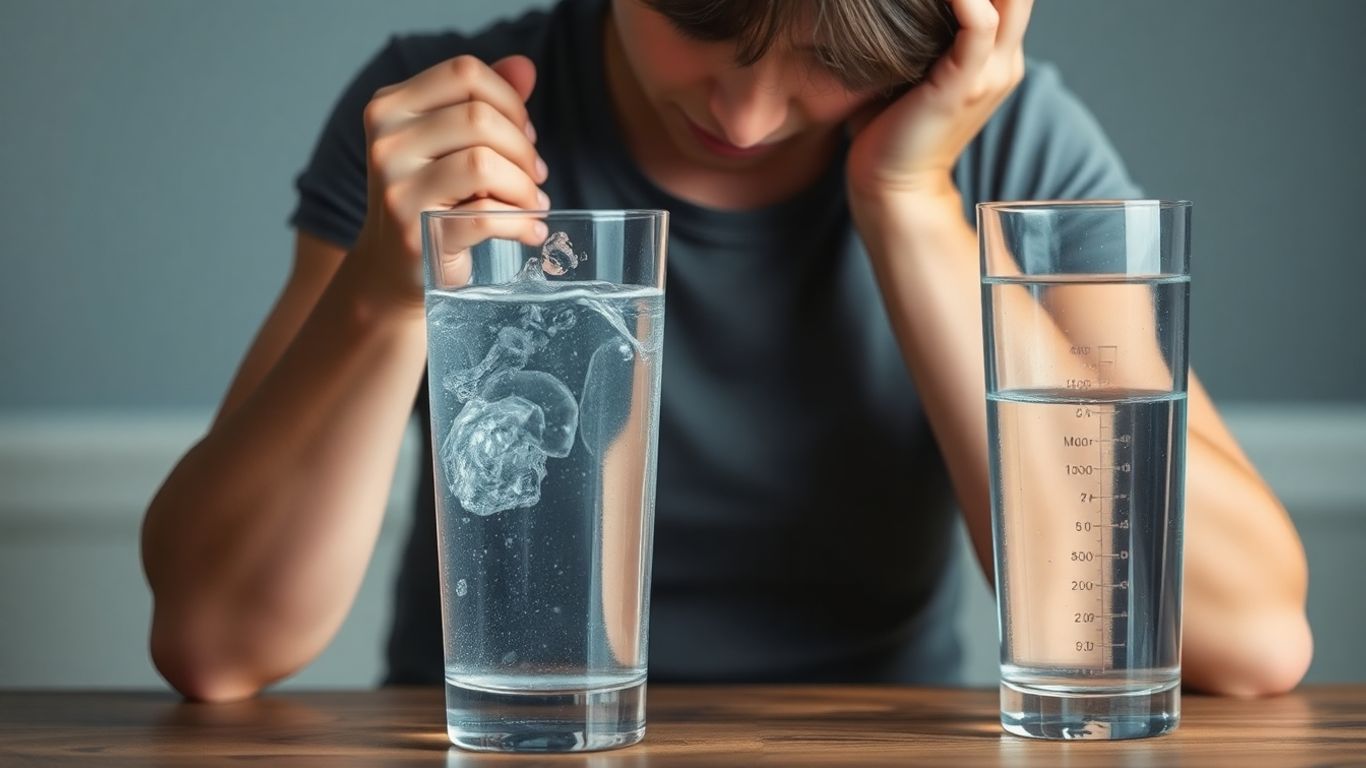
While staying hydrated is super important, it's actually possible to go a little overboard. Think of it like this: your body is amazing at telling you when it needs a drink, but sometimes we push past that natural signal. When you drink way more water than your body can handle, it can throw things out of whack. It's rare, but drinking excessive amounts of plain water, especially without replacing electrolytes, can lead to a condition called hyponatremia. This is when your blood sodium levels drop too low, which can cause some serious issues.
Hyponatremia: A Rare but Serious Concern
Hyponatremia, sometimes called water intoxication, happens when your kidneys can't keep up with processing all the extra fluid. They can only filter so much water per hour. If you're chugging water faster than your kidneys can work, the excess fluid can dilute the sodium in your blood. This is particularly a concern for endurance athletes who might drink a lot of plain water during long events without also replenishing lost electrolytes like sodium. It's not something most of us need to worry about on a daily basis, but it's good to be aware of.
The Impact on Sodium Levels
Sodium is a key player in keeping your body's fluid balance just right. It helps regulate where water goes in your body and how much is sent to your bladder. When sodium levels get too low due to drinking too much water, it can cause cells to swell. Since your brain is pretty much stuck inside your skull, this swelling can lead to headaches and that foggy feeling. It's a bit of a delicate balance, and while your body usually signals you to slow down with thirst or frequent bathroom trips, understanding the role of sodium helps explain why overdoing it can be problematic.
When to Seek Professional Advice
If you're experiencing symptoms like confusion, severe nausea, vomiting, extreme fatigue, or muscle weakness after drinking a lot of water, it's definitely time to get some medical help. These could be signs of hyponatremia. While most of us will just end up making more trips to the restroom, it's always wise to listen to your body. If you have underlying health conditions, especially those affecting your kidneys or heart, it's even more important to chat with your doctor about your specific hydration needs. They can give you personalized advice to keep you feeling your best.
So, What's the Takeaway?
Alright, so we've chatted about how much water is actually a good amount to drink. It turns out, while staying hydrated is super important for feeling your best, chugging way too much can be a bit much for your body. Most of us don't need to stress about drinking too much water on a daily basis, though. Your body usually gives you pretty clear signals when you've had enough. Just listen to your thirst, keep an eye on your pee color (pale yellow is the sweet spot!), and you'll probably be just fine. It's all about finding that happy medium so you can feel energized and healthy. Cheers to staying hydrated the right way!
Frequently Asked Questions
Can drinking too much water actually be bad for me?
Yes, it's possible to drink too much water. While water is essential, chugging way more than your body needs can overwhelm your kidneys. They can't get rid of the extra fluid fast enough. This can mess with the balance of important things in your body, like sodium.
What are the first signs that I might be drinking too much water?
Usually, your body gives you hints before things get serious. If your pee is almost clear all the time, or if you're running to the bathroom way more than usual, it could mean you're overdoing it. Feeling bloated or a bit sick to your stomach can also be signs that your body has too much fluid.
What is hyponatremia and is it common?
Hyponatremia is a condition where your blood's sodium level drops too low, often because you've drunk way too much water. It's quite rare for most people, but it can be serious. It's more likely to happen to extreme athletes who sweat a lot and only drink plain water without replacing lost salts.
How much water should I be drinking each day?
There's no single answer that fits everyone. General advice is around 11-12 cups for women and 15-16 cups for men daily. However, this changes based on how active you are, the weather, and what else you eat and drink. The best way to know is to listen to your body's thirst signals.
Does drinking other liquids count towards my daily water intake?
Yes, most other drinks count! Things like milk, juice, and even coffee or tea contribute to your overall fluid intake. However, drinks with lots of sugar can be unhealthy, and while alcohol and very caffeinated drinks might seem hydrating, they can actually make you lose more fluid. Water is usually the best choice.
When should I be extra careful about my water intake?
You need to be more mindful if you have certain health issues, like kidney, heart, or thyroid problems. Some medications can also make your body hold onto water. Also, older adults might not feel thirsty as much, so they need to pay attention to their fluid intake, especially if they're on medications that can cause fluid loss.